

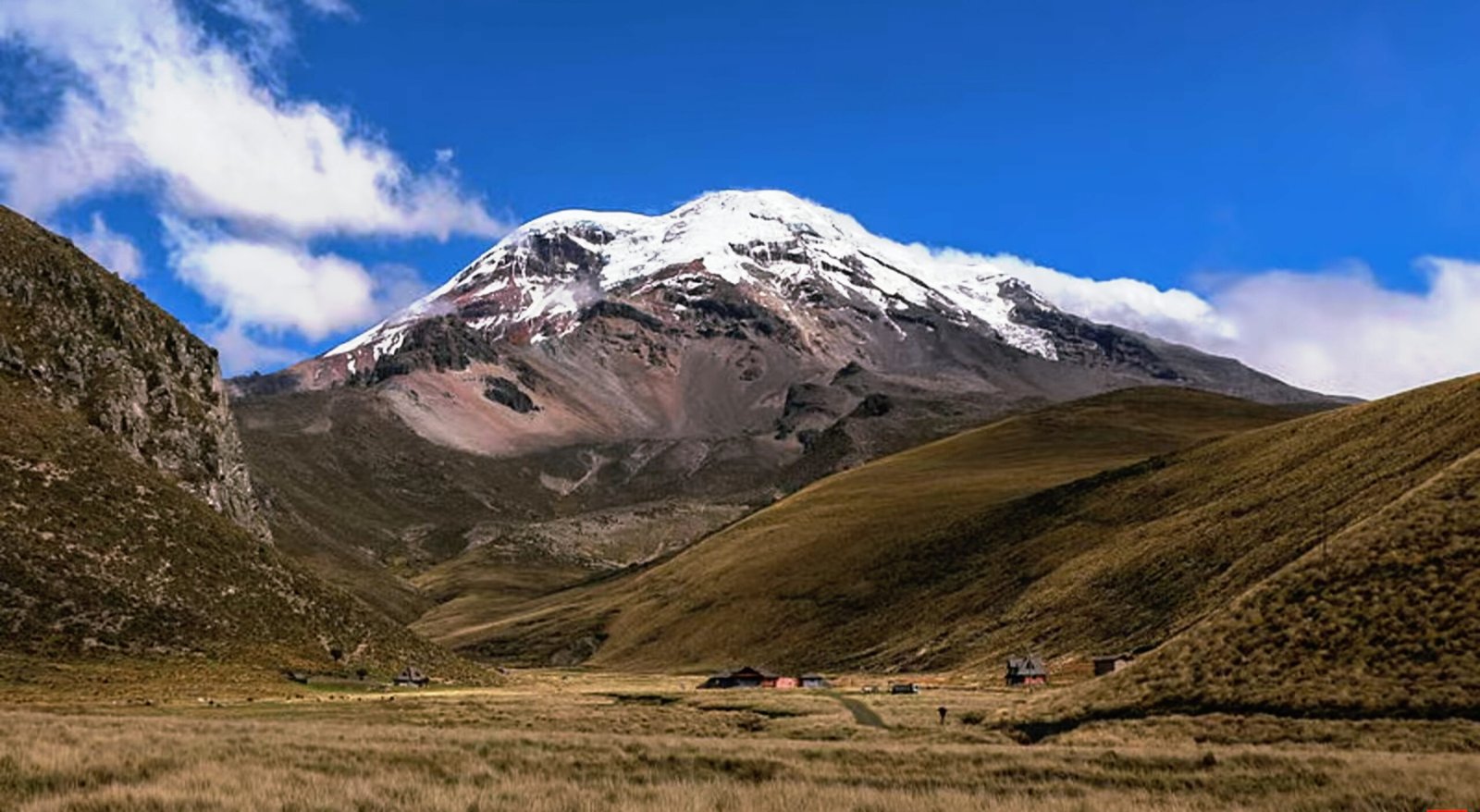
Sometimes a place rearranges everything you thought you knew about the world. Mount Chimborazo in Ecuador is one of those places. It isn’t the tallest mountain above sea level — that title belongs to Everest — but measured from the center of the Earth, Chimborazo’s summit is farther out into space. Standing there feels like standing on the edge of the planet.
I have condensed my original travel notes into a more detailed and certain travel account, practical, sensory, and sincere because that way you will know where to expect what and why Chimborazo should be on your list.
The curious science: why Chimborazo is “closer to the Sun”
The equator causes the earth to bulge due to spinning. Chimborazo is located very close to the equator on that swell. Thus, although Everest is higher above sea level, the summit of Chimborazo is closer to the Earth center – technically, it is the point on the Earth surface that is most distant into space. Such geometry, coupled with the elevation and the sunlight on the equator, implies severe UV radiation and special circumstances to the explorer, whoever he or she is.
My journey from Río Bamba to the refuges — moments that stayed with me
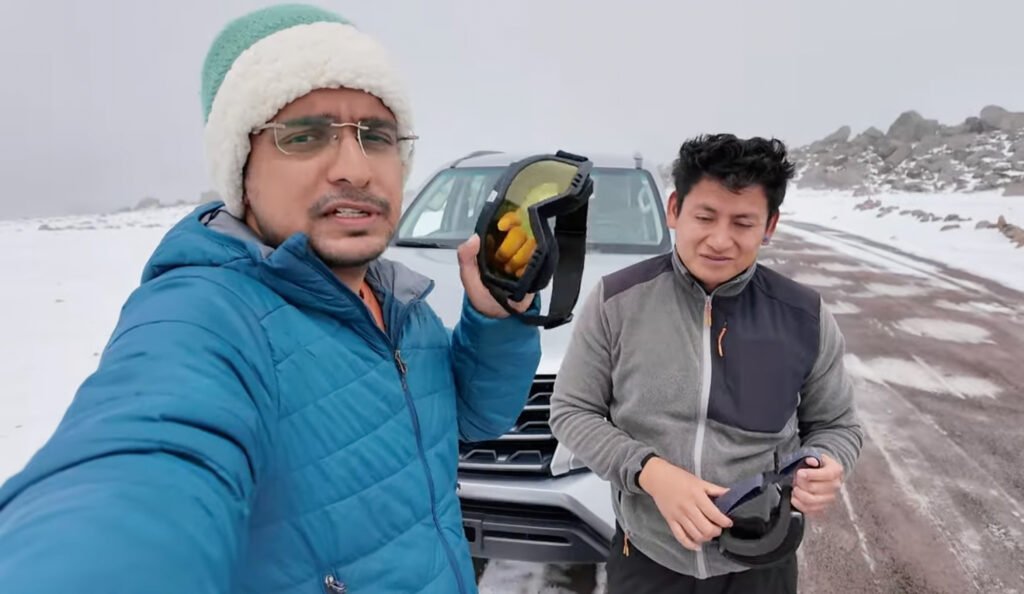
I started in Río Bamba (≈ 2,800 m), a friendly town, which serves as the entry point. Mr. Paul is an Indigenous guide, who is proud of his heritage of Kichwa, and he welcomed me and drove me into the Chimborazo National Park. The scenery changed rapidly: the arable land was replaced by barren Andes highlands where trees are thinned and blown and misted out.
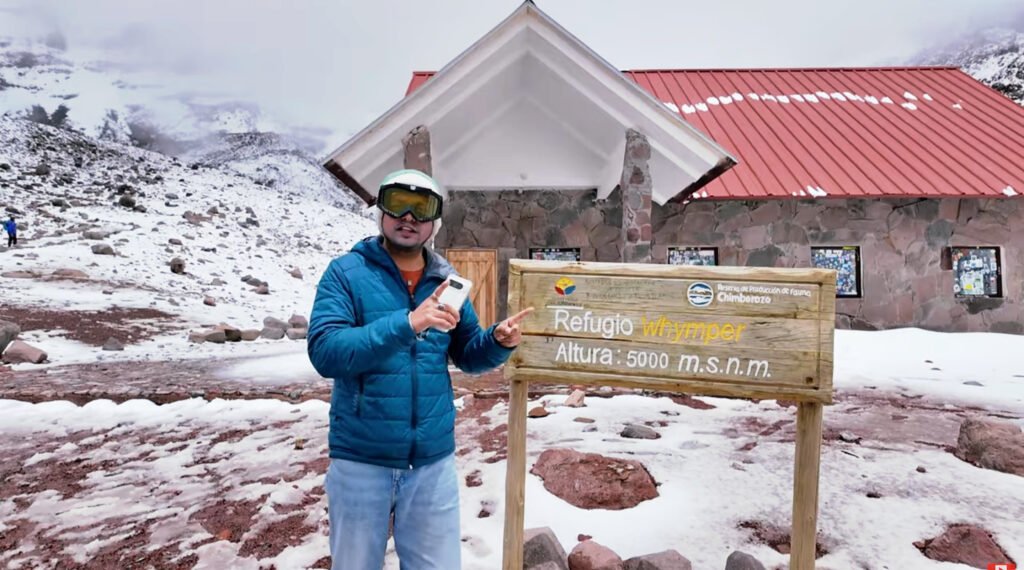
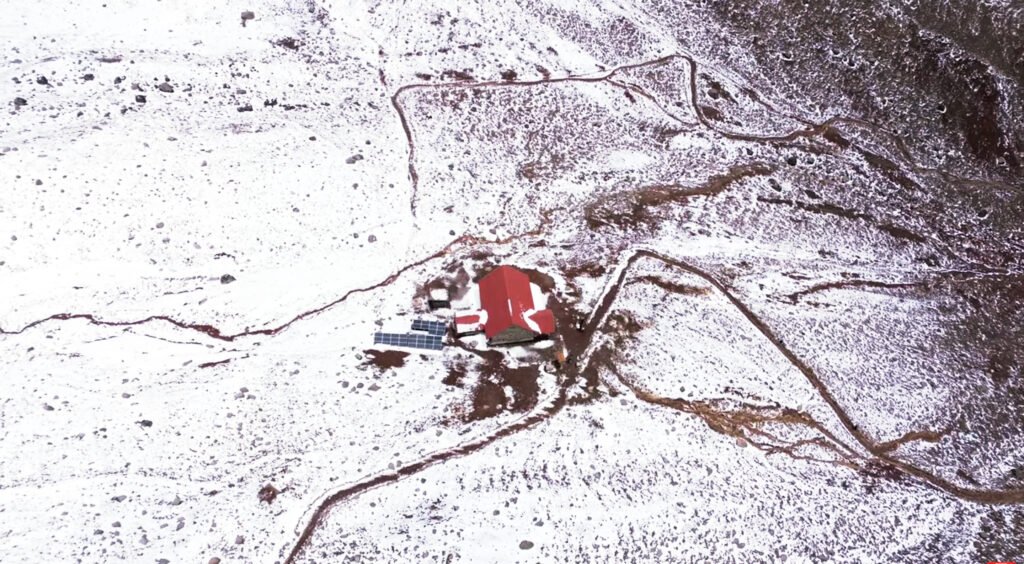
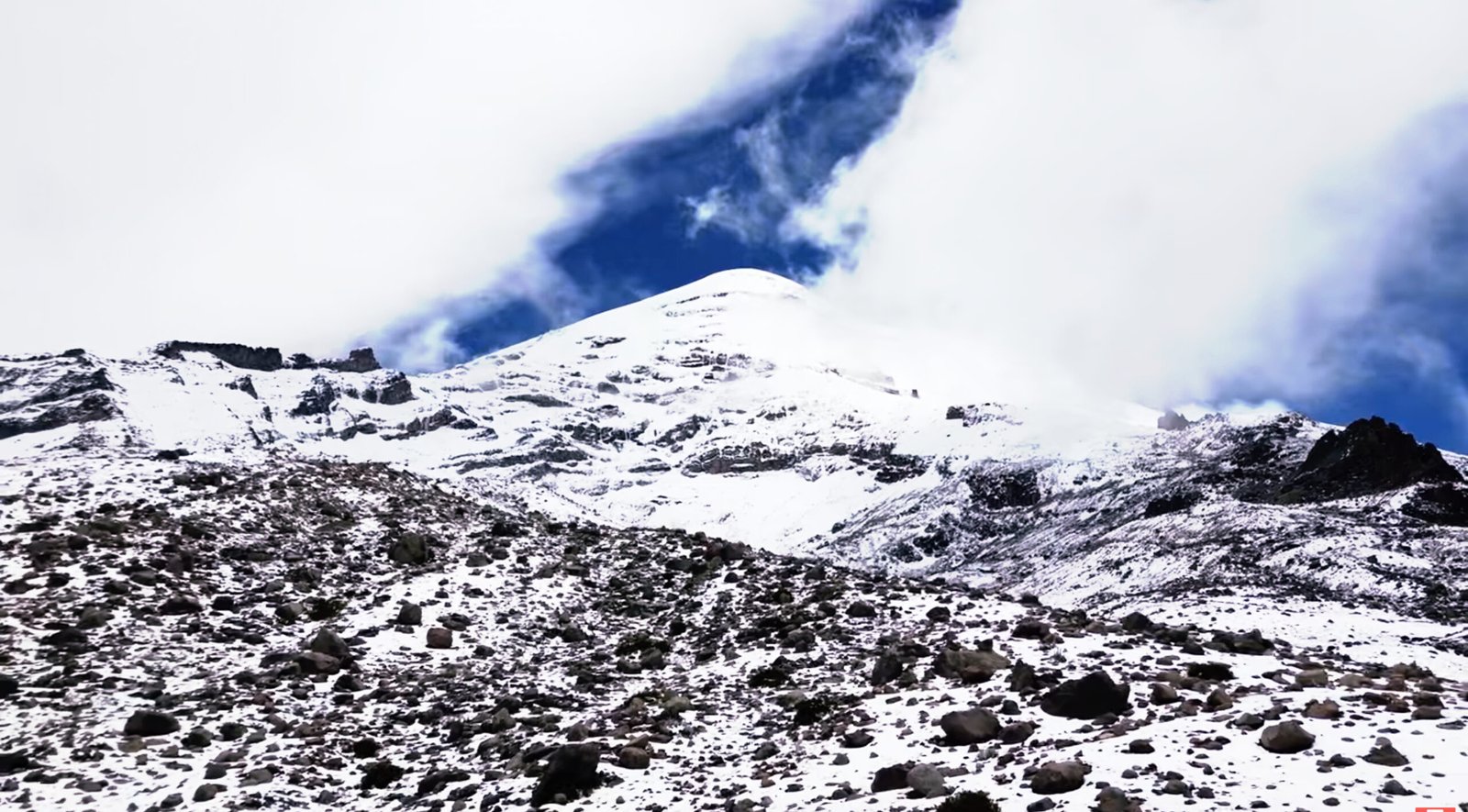
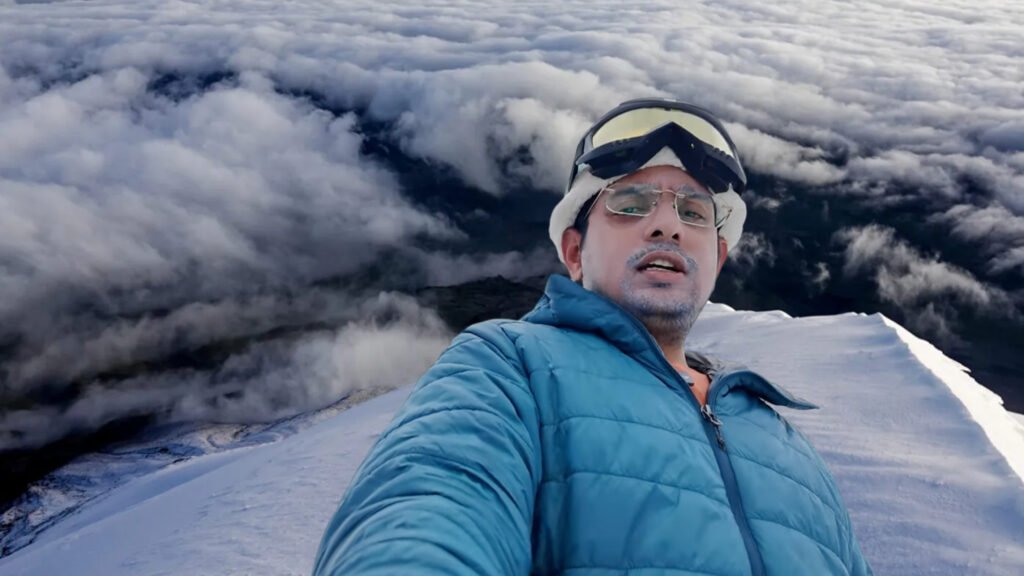
Further up, all this gets worse. The visibility is reduced to fog and snow, the road becomes narrow and covered with ice; the camera equipment is frozen, the limbs are numb and aching. The pace is painstakingly slow at refuges and on hiking passages – no step is wasted. The effects of the altitude are actual: shortness of breath, nausea, tinging limbs, and situations when the world turns thin to one, heavy breath. However, the sight once the doors are opened is a jaw-dropper: glaciers, volcanic ridges stretching across, and the sensation of being infinitely near the Sun.
The trip was enriched by cultural artifacts: coca tea to acclimatize the altitude, the 100-year-old practice of a local family to prepare fruit juices of glacier ice (rompe nunkas), and the friendly hospitality of vendors at the Riuo Bamba market who on some occasions refused me to pay and insisted that I come back. Those human incidents counterbalanced the crude and nearly perilous sublimity of the mountain.
Why Chimborazo is special for travelers
- Unique geography — not only high, but geometrically exceptional due to the equatorial bulge.
- Extreme sun and UV — be prepared to deal with severe sunlight; use skin and eye protection.
- Living Indigenous culture — Kichwa/Quechua traditions and communities manage much of the land and access.
- Wildlife and dramatic landscapes — alpacas, llamas, vicuinas and Andean highlands.
- Off-the-beaten-path feel — limited access, local permits, and rugged conditions mean it’s not a mass-tourist destination.
Practical advice from my trip
𝐏𝐞𝐫𝐦𝐢𝐭𝐬 & 𝐠𝐮𝐢𝐝𝐞𝐬
Chimborazo National Park is a park where local communities are the main controlling bodies. There are areas where permits or permissions (usually free but administratively difficult) are necessary. Hire a reliable local guide- they not only get you inside, but also they keep you safe and may share the local knowledge that is vital.
𝐀𝐥𝐭𝐢𝐭𝐮𝐝𝐞 & 𝐡𝐞𝐚𝐥𝐭𝐡
Warm-up in Rio Bamba or other towns and then go to 4,800-5,000 m. The symptoms are not imaginary and could be harsh: headache, breathlessness, dizziness, poor coordination and nausea. Walk slowly, sniff with your nose, take frequent breaks. Another local remedy employed to cope with altitude is coca tea (coca derivatives are outlawed in other countries not in South America).
𝐒𝐮𝐧 & 𝐜𝐨𝐥𝐝 𝐩𝐫𝐨𝐭𝐞𝐜𝐭𝐢𝐨𝐧
Bring good quality sunglasses (or high altitude glasses), sunscreen of very high SP (I used SPF 100), SPF lipstick. Multi-layered thermal garments, durable boots, gloves and a windproof jacket are necessary. Batteries run out quickly in cold- carry spares.
𝐋𝐨𝐠𝐢𝐬𝐭𝐢𝐜𝐬 & 𝐜𝐨𝐬𝐭
I paid approximately 65 dollars (~ 5700 rupees) on the day trip (transportation and a meal) which is fine considering it was a guided transportation and local hospitality. Most of the roads need a 4X4; slow, cautious driving is to be expected.
𝐒𝐚𝐟𝐞𝐭𝐲
The roads are narrow, icy and hazardous. There can be avalanches and unexpected storms. Accidents are occurring every year. Employ reputable and reliable local guides, adhere to the regulations of the park and avoid taking un-necessary risks.
Cultural highlights to seek out
- La Merced market (Río Bamba) — this is where the rompe nunkas is found: fruit juice and glacial ice of Chimborazo, a family business more than a century old.
- Local hospitality — the vendors and families are proud of their heritage; little gestures of kindness are frequent.
- Kichwa culture — language, tales, and religious connection to the mountain, is incorporated into daily life here.
Quick half-day plan from Río Bamba
- Depart Río Bamba early with a 4×4 and a local guide.
- Stop at highland viewpoints and look for vicuñas and llamas.
- Enter Chimborazo National Park (permit checks).
- Hike to the first or second refuge (pace yourself).
- Return to Río Bamba for lunch and a market visit — don’t miss the glacier-ice fruit drinks.
Essential packing checklist
- Sunscreen with high SPF (≥50; even better) and SPF lip balm.
- Good UV protection glasses / high altitude glasses.
- Thermal clothing, insulated jacket, gloves, hat.
- Good hiking boots, with good traction (snow/ice may be involved)
- Water, high-energy snacks, personal medicine, basic first aid.
- Waterproof cases and batteries of the spares cameras.
- Cashing in on permits, local buying and tips.
Responsible travel reminders
- Indigenous people and their regulations that should be followed; these are places that one cannot enter without the consent of the community.
- Pack out any trash; highland ecosystems and glaciers are fragile.
- Seek permission to take photos of individuals, shop at local businesses and families.
- Be mindful of coca: it is culturally significant here, yet is prohibited by law in other places.
FAQ — quick answers
𝐐: 𝐈𝐬 𝐂𝐡𝐢𝐦𝐛𝐨𝐫𝐚𝐳𝐨 𝐡𝐢𝐠𝐡𝐞𝐫 𝐭𝐡𝐚𝐧 𝐄𝐯𝐞𝐫𝐞𝐬𝐭?
A: Everest is higher above sea level. Nonetheless, the presence of a bulge at the equator makes the peak of Chimborazo appear to be more distant than the center of the Earth because the nearest point on the surface of the planet is the closest to the space.
𝐐: 𝐇𝐨𝐰 𝐝𝐚𝐧𝐠𝐞𝐫𝐨𝐮𝐬 𝐢𝐬 𝐢𝐭?
A: Things are not easy. There is extreme weather, avalanche, poor roads and the altitude sickness. The majority of the visitors do not reach to the top; they hire professionals.
𝐐: 𝐃𝐨 𝐈 𝐧𝐞𝐞𝐝 𝐚 𝐠𝐮𝐢𝐝𝐞 𝐨𝐫 𝐩𝐞𝐫𝐦𝐢𝐭?
A: Yes. Guides provide services in terms of permits, navigating and safety. The local communities control part of the park areas.
𝐐: 𝐖𝐡𝐞𝐧 𝐢𝐬 𝐛𝐞𝐬𝐭 𝐭𝐨 𝐯𝐢𝐬𝐢𝐭?
A: Weather is unpredictable. Add the days of dry season in the year, still, remember about sudden storms and chilly.
𝐐: 𝐈𝐬 𝐭𝐡𝐞 𝐠𝐥𝐚𝐜𝐢𝐞𝐫-𝐢𝐜𝐞 𝐝𝐫𝐢𝐧𝐤 𝐬𝐚𝐟𝐞?
A: Fruits juices over Chimborazo ice have always been a constituent of the locals since their childhood (rompe nunkas). Based on having a relatively clean vendor, even a fairly presentable store itself, it becomes a local experience to be remembered – you know what to do.
Final thoughts
Here science, the spirit and the vulgar nature come into contact, in chimborazo. It was my lesson to be modest and excited me and taught me to move with patience and respect. Well, no, you will not regret the rough road, and actual labour that must be done, in the instance of a trip where you have adventure at high altitudes, Indigenous culture and totally new local food, but you will receive compensated in other forms that a postcard will not touch.
If you’d like, I can adapt this into a short printable guide for readers (packing list + map tips) or rewrite it as a first-person day-by-day travelogue with more sensory detail. Tell me which you prefer — I’ll write it as your guide, Tourvashu.
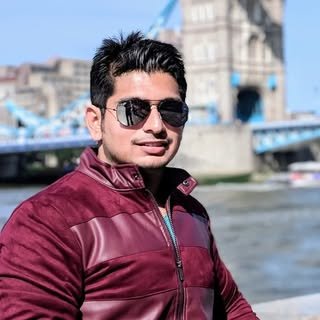
Tourvashu is a passionate world traveler and storyteller behind Nomadic Tour. With journeys across 90+ countries spanning six continents, he captures the raw essence of travel — exploring people, cultures, traditions, and history from every corner of the globe. Through his videos, Tourvashu inspires others to see the world with curiosity and authenticity.