
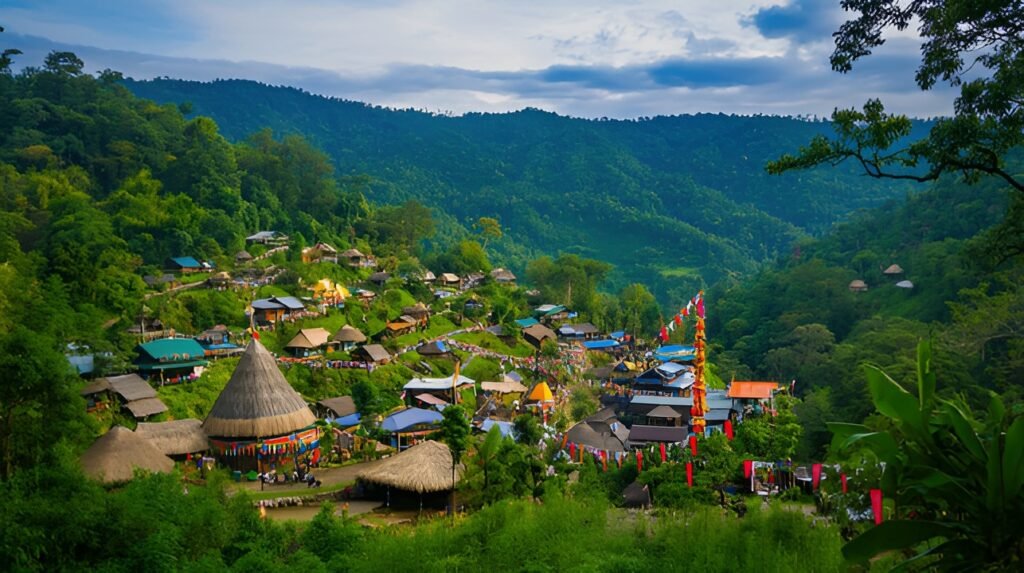
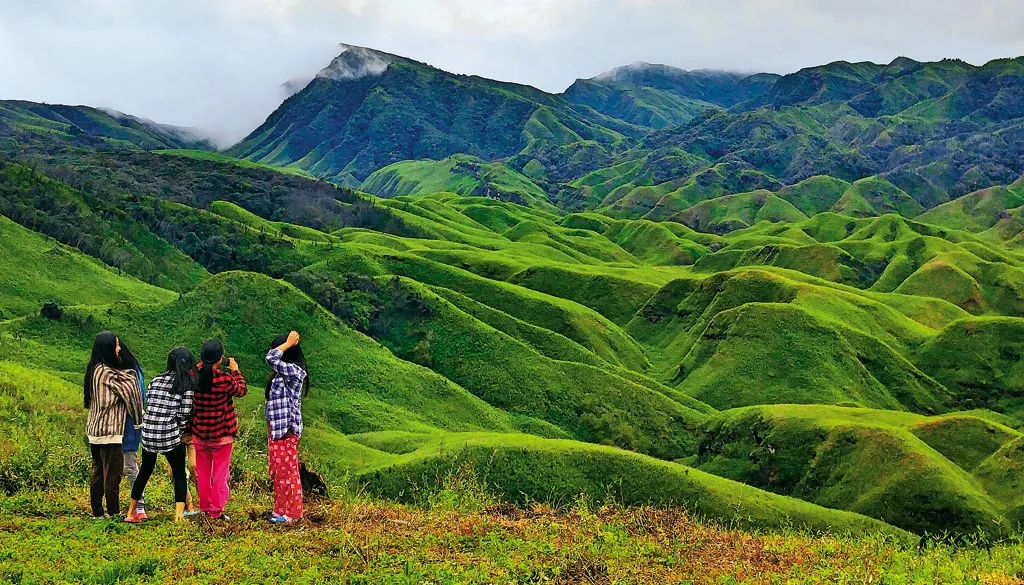
Hidden beyond the misty valleys and emerald hills of Northeast India lies Nagaland, a land of vibrant tribes, unspoiled landscapes, and ancient traditions. While most travelers flock to Kohima or Mon, the real soul of Nagaland thrives in its lesser-known villages—where culture, community, and craftsmanship remain untouched by modern chaos.
This travel guide to the tribal Nagaland, reveals some of the unknown places of the Nagaland villages, isolated, genuine, and ready to be discovered by travelers who want to get closer to the indigenous life.
Why Explore the Unknown Villages of Nagaland
Nagaland isn’t just a state—it’s a living museum of 16 major tribes and countless sub-tribes. Each village tells its own story through:
- Distinct architecture
- Traditional attire and tattoos
- Sacred morungs (youth dormitories)
- Folklore passed through generations
For travelers who crave cultural authenticity, these villages offer immersive homestays, tribal festivals, and handicrafts that reflect the Naga way of life.
Top Hidden Villages of Nagaland Worth Visiting
1. Khonoma – The Green Village
Location: 20 km from Kohima
Tribe: Angami
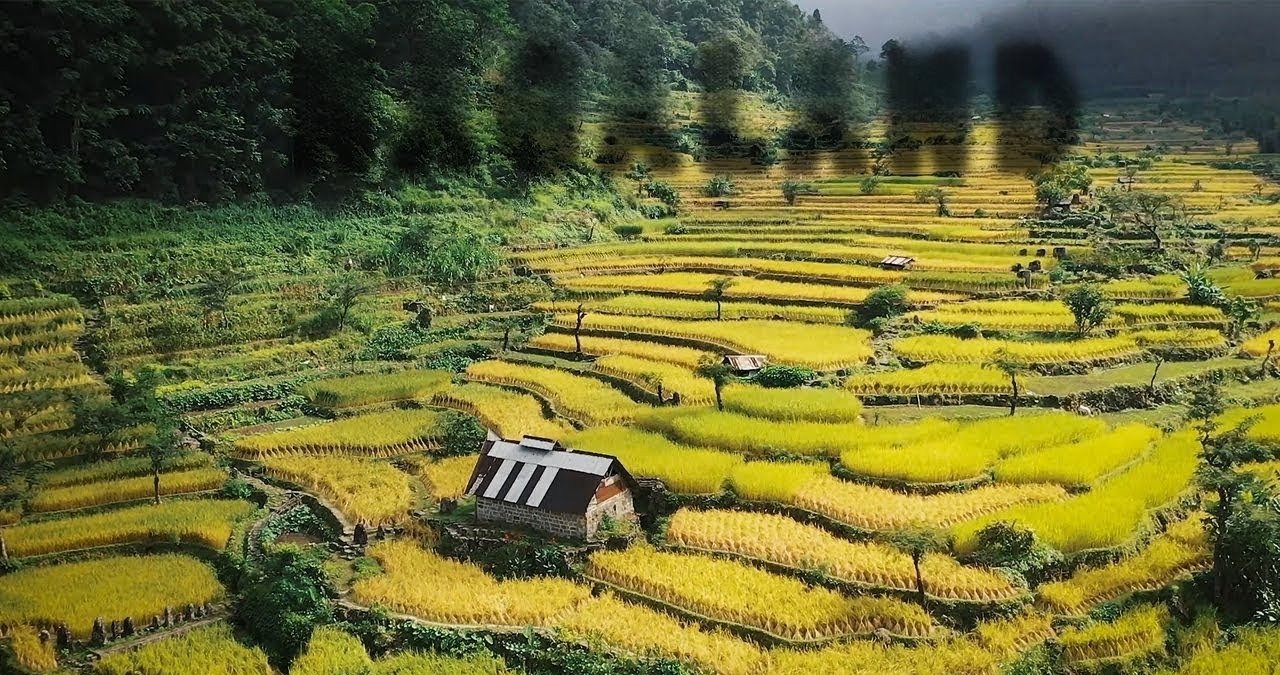
Khonoma the first green village in India, is being known all over the world due to its sustainable tourism and community-based conservation. Khonoma is known to be home to its terraced fields and warrior history and it has guided village walks, homestays and traditional feasts.
Highlights:
- Ancient Angami architecture
- Bamboo craft workshops
- Birdwatching and eco-trails
2. Longwa – A Village on Two Nations
Location: Mon District
Tribe: Konyak
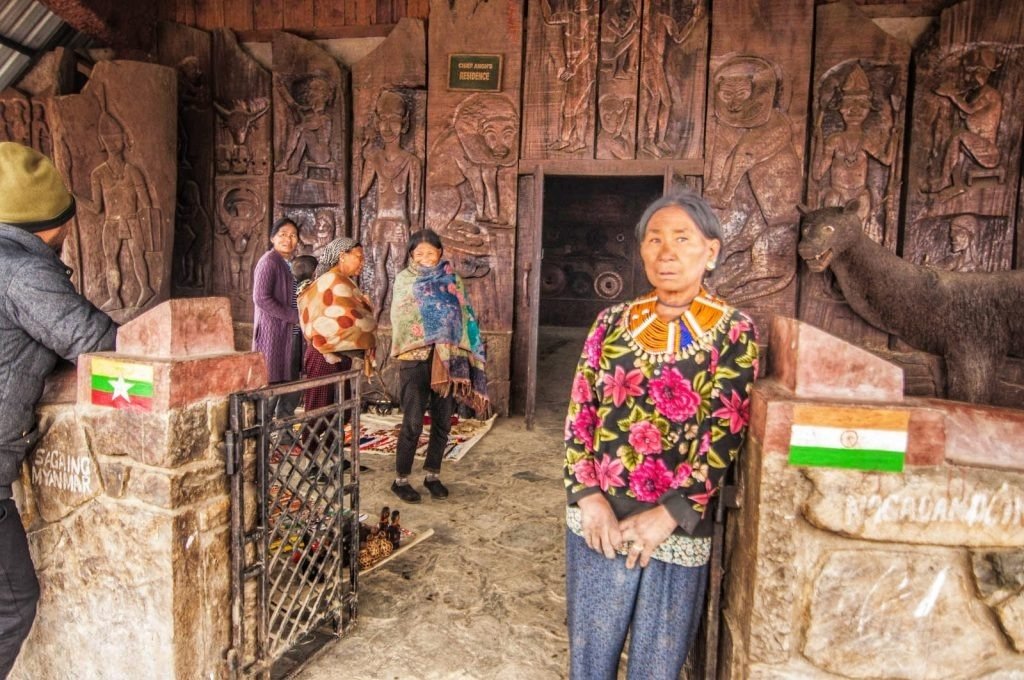
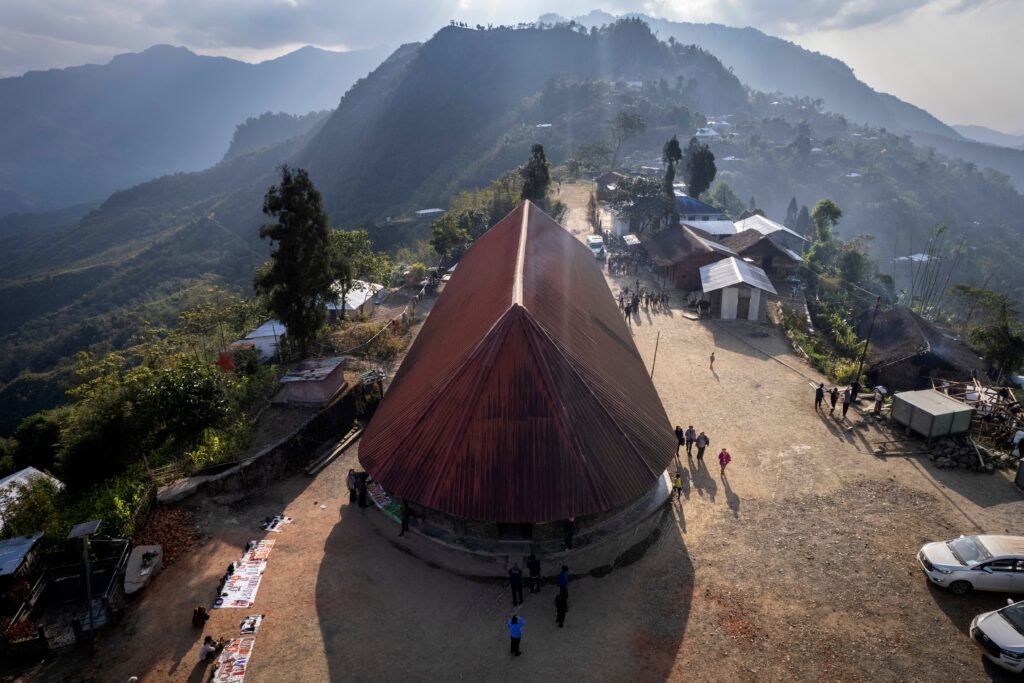
Longwa is a very interesting village of Nagaland, half of which is situated in India, and the other half in Myanmar. The head of the village, which is called Angh, literally has a house which is situated on both states.
Highlights:
- Interact with tattooed Konyak warriors
- Visit the Angh’s dual-border residence
- Experience gun-making and beadwork traditions
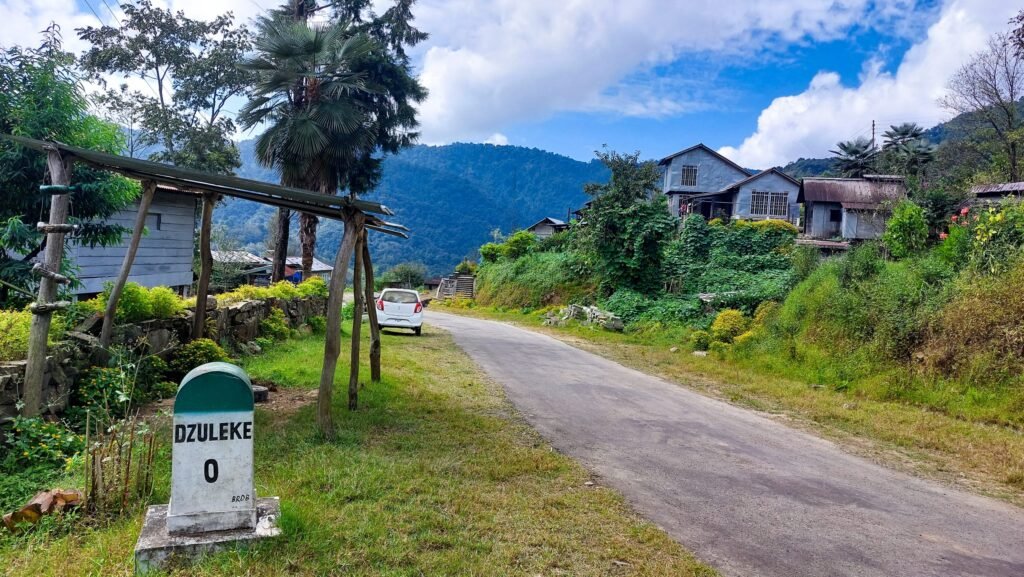
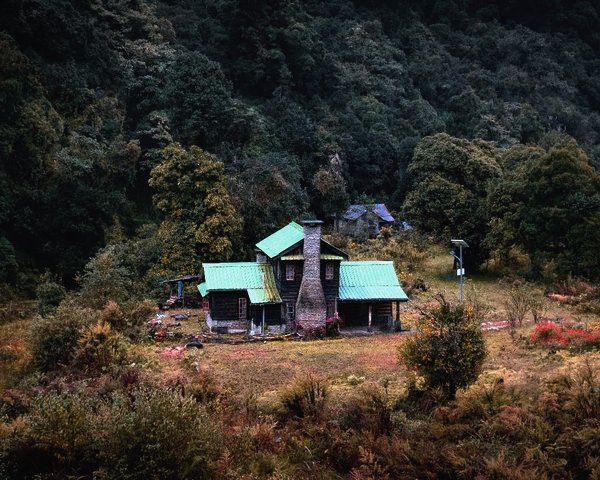
3. Dzuleke – A Hidden Eco-Village
Location: Near Khonoma, Kohima District
Tribe: Angami
Dzuleke is an example of eco-tourism that is sustainable and characterized by clear streams and no plastic debris. Responsible tourism is practiced by the villagers who control the number of visitors and encourage homestays that do not harm nature.
Highlights:
- River camping and trekking
- Wild orchid trails
- Naga cuisine from farm-fresh produce
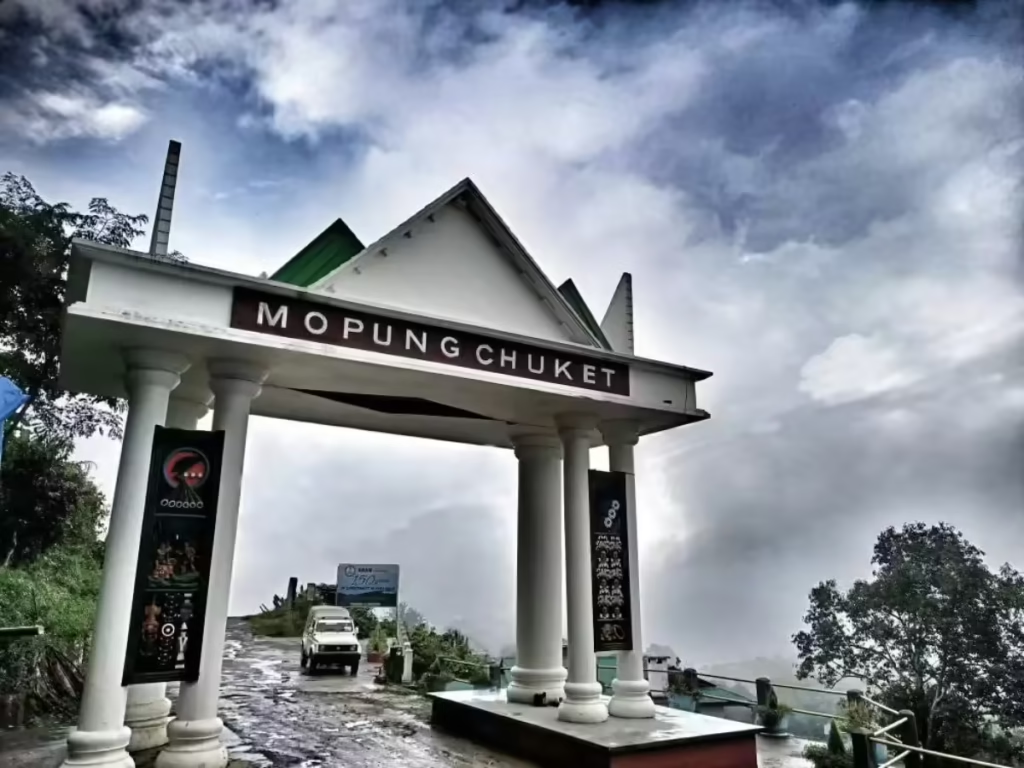
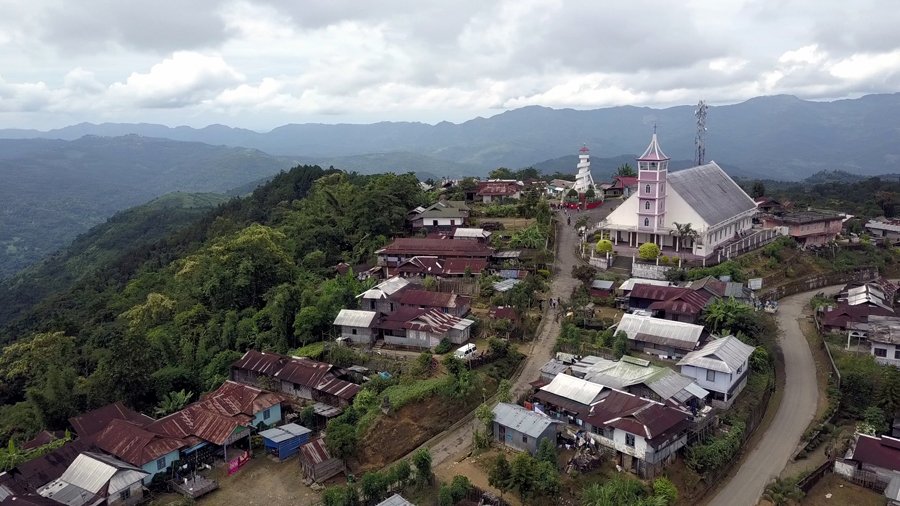
4. Mopungchuket – The Village of Legends
Location: Mokokchung District
Tribe: Ao
Mopungchuket has got Ao tribal folklore and scenic beauty. The village presents the tales of two lovers Jina and Etiben, who are the Naga version of Romeo and Juliet.
Highlights:
- Jina-Etiben Memorial Tower
- Ao Naga Heritage Museum
- Serene lakeside viewpoints
5. Tuophema – A Living Heritage Village
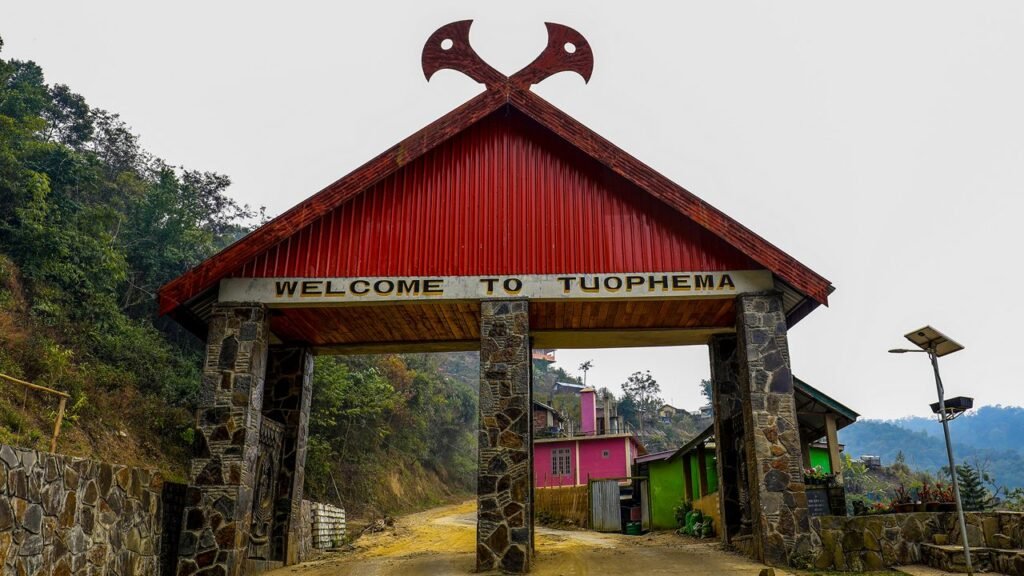
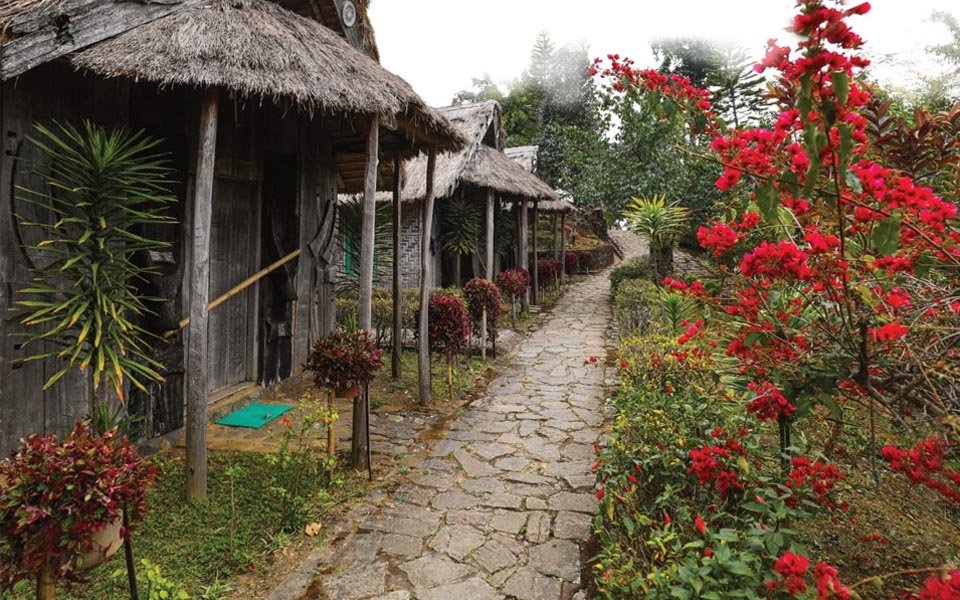
Location: Near Kohima
Tribe: Angami
Tuophema is constructed as a heritage village led by the locals and gives the tourists an opportunity to reside in huts, enjoy smoked pork, and enjoy folk music performances in the dark sky.
Highlights:
- Traditional Angami dance shows
- Handcrafted souvenirs
- Cultural museum showcasing tribal life
6. Noklak – The Frontier of Naga Culture
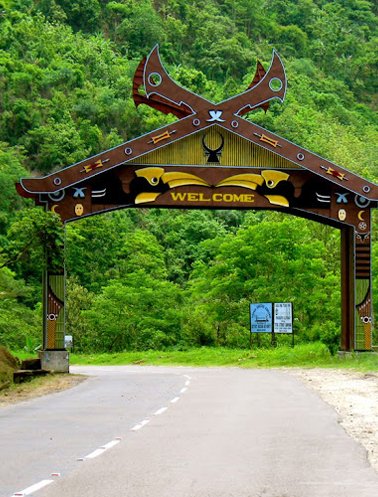
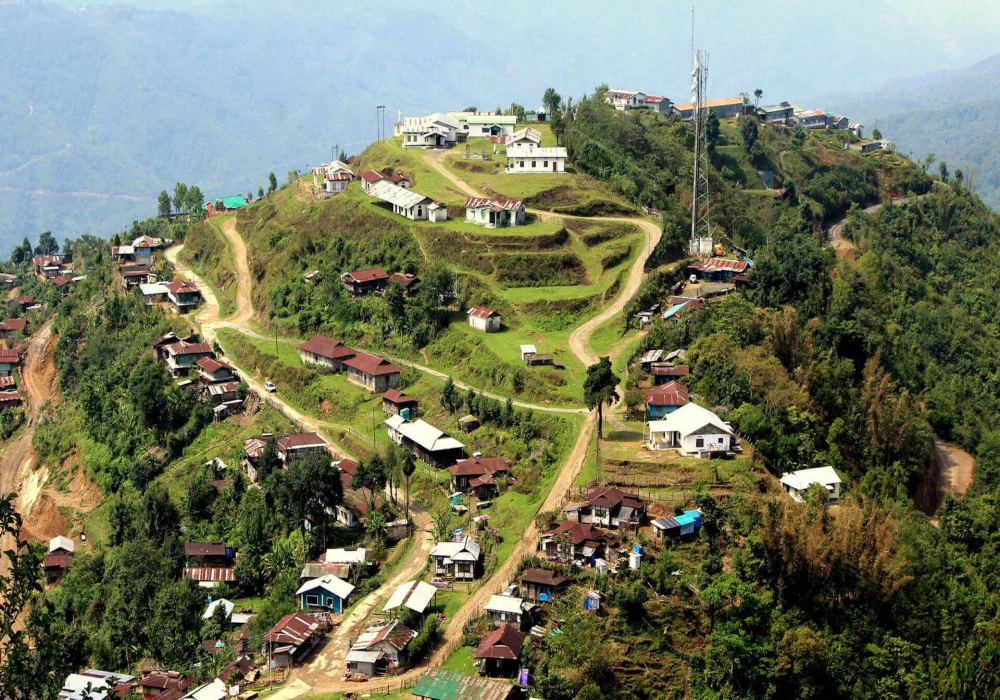
Location: Noklak District (Eastern Nagaland)
Tribe: Khiamniungan
Noklak is a recently established district that is among the tribal frontiers of Nagaland and is one of the most inaccessible. The traditional Khiamniungan traditions and arts are still upheld by the villagers.
Highlights:
- Traditional blacksmithing
- Ethnic textiles and jewelry
- Rugged landscape ideal for adventure trekking
Best Time to Visit the Unknown Villages of Nagaland
| Season | Months | Experience |
|---|---|---|
| Spring | March – May | Lush greenery, perfect for cultural walks |
| Monsoon | June – September | Waterfalls and scenic beauty, but rough roads |
| Winter | October – February | Hornbill Festival, pleasant weather, best for exploration |
Travel Tips for Visiting Remote Naga Villages
- Obtain Inner Line Permit (ILP): Required for Indian tourists visiting Nagaland.
- Respect Local Customs: Always ask before taking photographs of people or rituals.
- Stay in Homestays: It supports local livelihoods and gives an authentic experience.
- Avoid Plastic: Many villages practice eco-tourism; carry reusable bottles.
- Dress Modestly: Tribal communities appreciate conservative dressing.
How to Reach the Remote Villages
- By Air: Nearest airports – Dimapur and Dibrugarh (Assam).
- By Road: Shared taxis or hired SUVs from Kohima or Mon.
- By Train: Dimapur railway station connects to Guwahati and Delhi.
Once in Nagaland, local transport or community-run guides help reach the remote villages.
Cultural Etiquette for Travelers
Nagaland’s communities are deeply rooted in tradition. When you visit:
- Greet elders with respect (“Abolo” in Angami).
- Participate in local festivals only if invited.
- Try traditional food – smoked pork, bamboo shoots, and axone (fermented soybeans).
- Avoid loud behavior or alcohol in sacred areas.
FAQs – Unknown Villages of Nagaland
1. Are tourists allowed in all Naga villages?
Yes, majority of the villages receive honorable visitors. Nonetheless, some of them along the Myanmar border need prior special permit or with a registered guide.
2. Is it safe to travel to remote Nagaland?
Absolutely. Today Nagaland is at peace and the people of the village are kind and welcoming. Simple thing is to make sure you take a local guide on the far off paths.
3. What language is spoken in Nagaland?
The official language is English yet every tribe has its dialect. The locals tend to use simple English or Hindi with visitors.
4. Can I stay overnight in these villages?
The community-based homestays and eco-lodges can be found in virtually all villages such as Khonoma, Dzuleke, and Tuophema.
5. What festivals should I experience?
Miss the Hornbill Festival (December), Aoleang Festival (April – Konyak tribe) and Sekrenyi (February-Angami tribe).
6. What should I pack for the trip?
Bring warm up, hiking shoes and water bottle, rain jacket and little gifts (pen and notebooks) to children, in case you want to share some nice things.
Conclusion
Exploring the unknown villages of Nagaland is not just a journey through geography—it’s a walk through centuries of heritage, resilience, and art. For travelers seeking authenticity, this is where the true heartbeat of Nagaland echoes—in its people, their stories, and their untouched landscapes.
The foggy mountains of Khonoma to the twin-border beauty of Longwa, each village is in its own right a universe: untouchable, untainted, untouched.

