

When people think of the tea plantations of Assam, images of the sprawling estates of Dibrugarh or the pioneering gardens near Chabua often come to mind. But beneath that familiar picture lies a quieter, far more intimate world of lesser-known tea gardens tucked away in the plains, river-banks and foothills of Assam. These are the secret histories of tea, small farms, plantations owned by the community, tea-tourism projects, and gardens that are on the verge of being revealed. This paper will discuss three such unknown plantations and how you as a traveller can experience them as an off-beat experience.
Why these “hidden” tea gardens matter
- Cultural & economic value: The tea business in Assam is enormous – there are thousands of gardens, and all of them constitute an important part of the land and the economy.
- Unexplored tourism opportunities: In spite of the fact that Assam has well known tea estates, which have been well documented, there are many minor gardens, which are not well known by the travellers.
- Unique landscapes & stories: Not only stunning views but also tales of planters, of workmen, of nature meeting tea bushes, of plantation bungalows, of river-banks and forests at the borders of tea country, can be found at a remote tea plantation.
Three Unexplored Tea Plantations Worth Visiting
1. Durrung Tea Estate (near Tezpur)
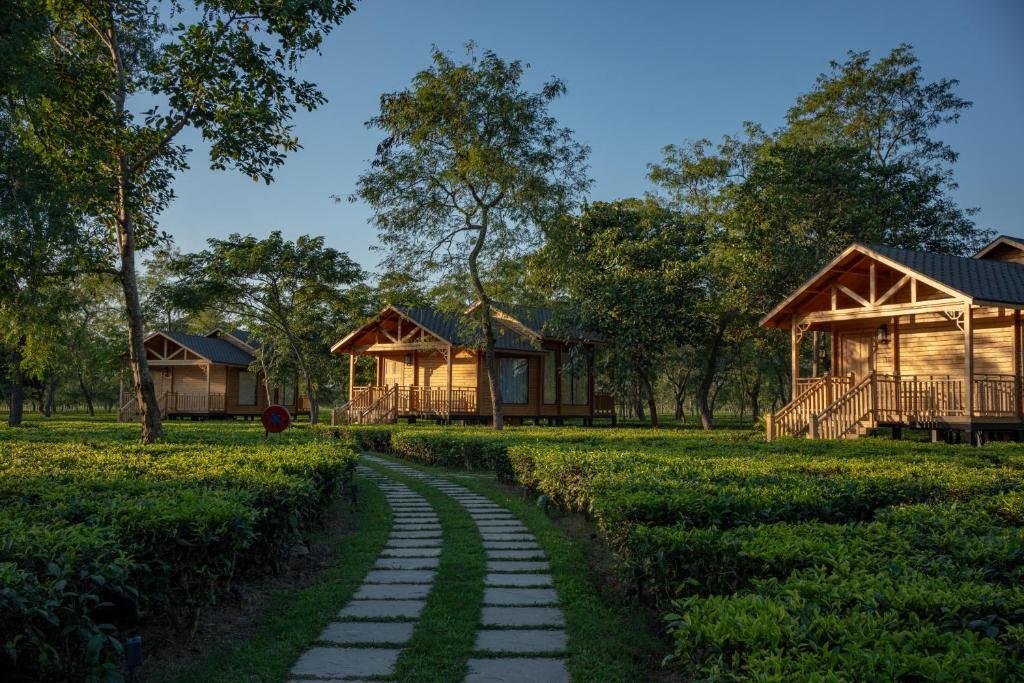
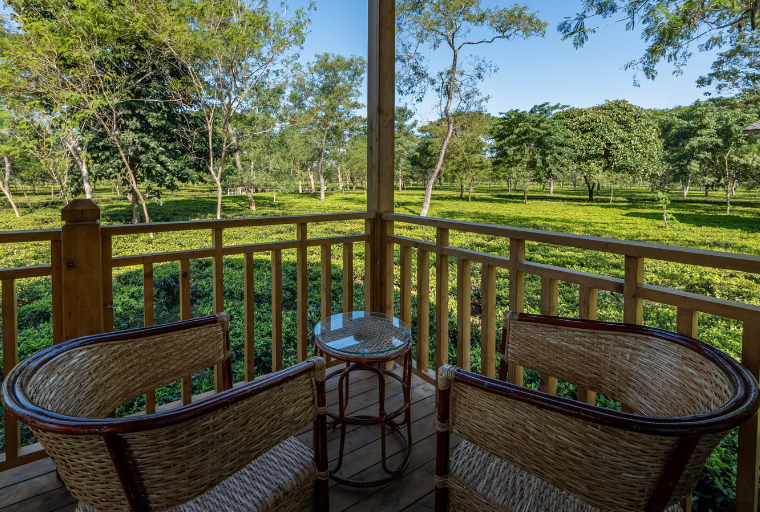
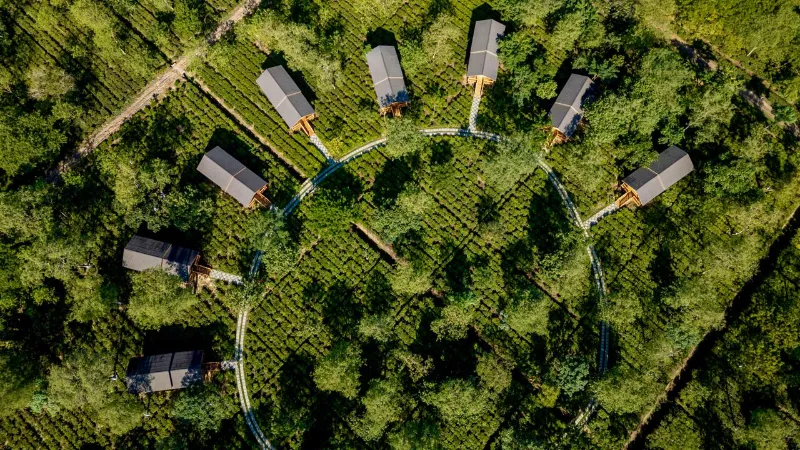
- Location & story: Nestled near Tezpur in Sonitpur district, this estate was founded in 1864 and was taken over by a plantation family in 1939. In 2018 it was re-imagined with a view to tea tourism.
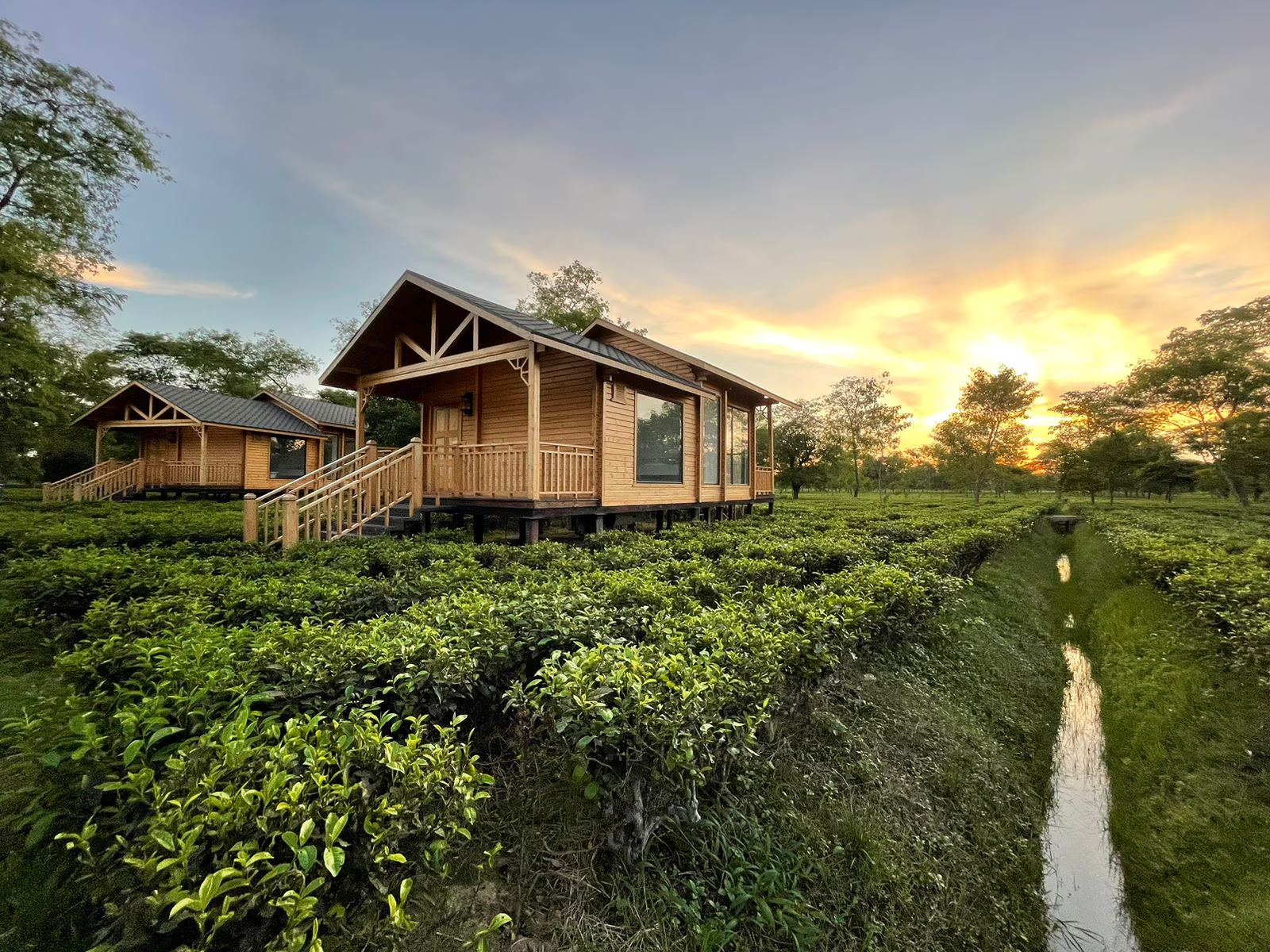
- Visitor experience: Tourists occupy the original planters bungalow and chalets that are located in the tea bushes; they are presented with tea-trails, factory visits, tea-tasting sessions.
- Why off-beat: All the big estates of Assam are visited by many tourists in the area of Upper Assam; however, it is a more immersive and a more purist, heritage-filled experience.
- Tip for travellers: Book in advance; ask for a tea-trail with plucking demonstration; carry insect repellent if heading into early morning mist.
2. Amchong Tea Estate (near Guwahati)
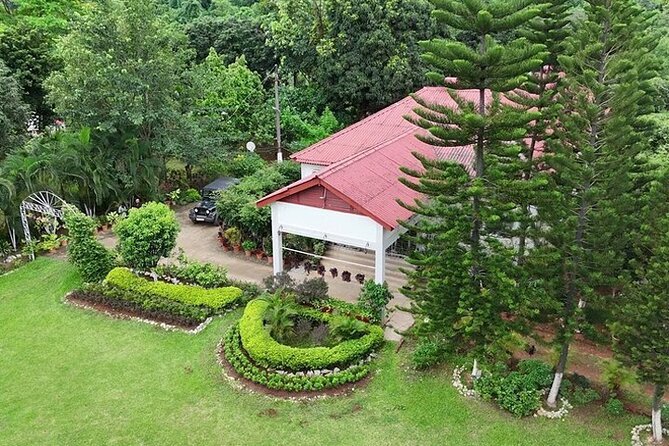
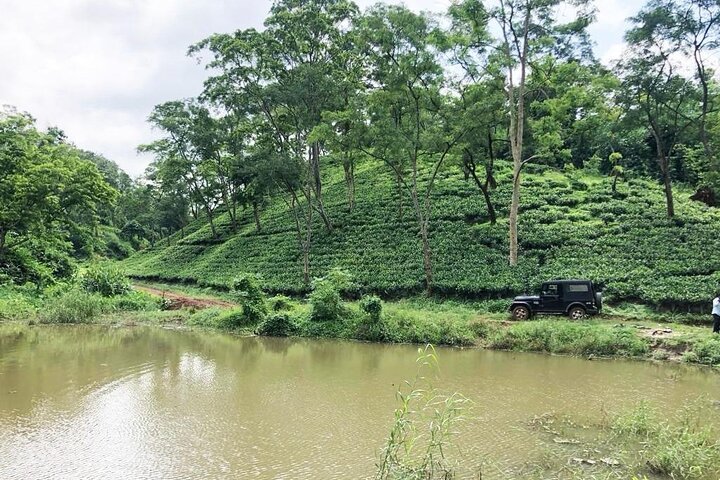
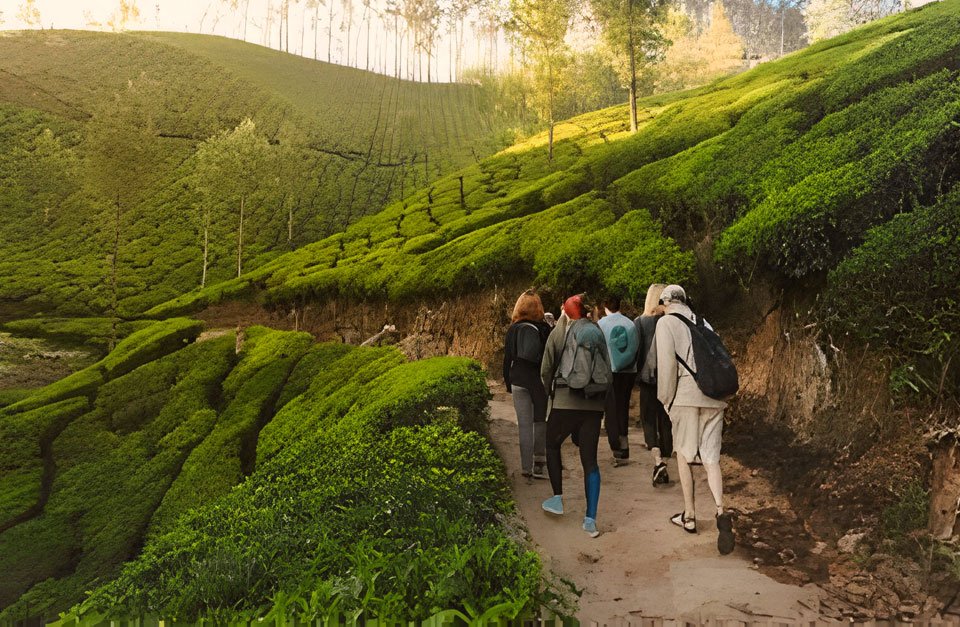
- Location & overview: It is about 30 minutes outside the city of Guwahati, and this 1,800 acres of land was established in 1958 as a working tea garden but has expanded to a resort-type nature stay.
- Activities: Guided tour of tea-factories, walks through tea-plucking, tea-tasting, forest and nature walks around tea slopes.
- Why it qualifies as “unknown”: This plantation, though being quite close to one of the large urban centres, is rarely included in the mainstream tourism guides, which means that you do not have to go there with crowds of people to learn about tea culture.
- Tip for travellers: Ideal for families or short getaways; ask for early-morning walk through tea bushes; go outside peak harvest season for calm, green vistas.
3. Off-the-map community tea gardens
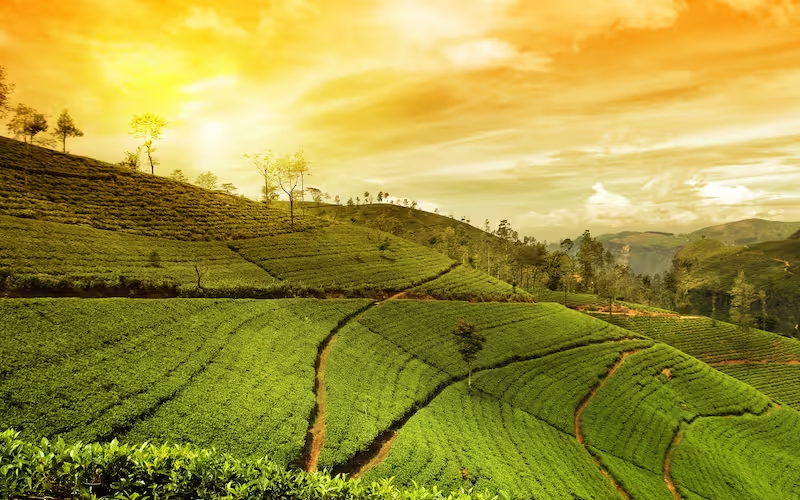
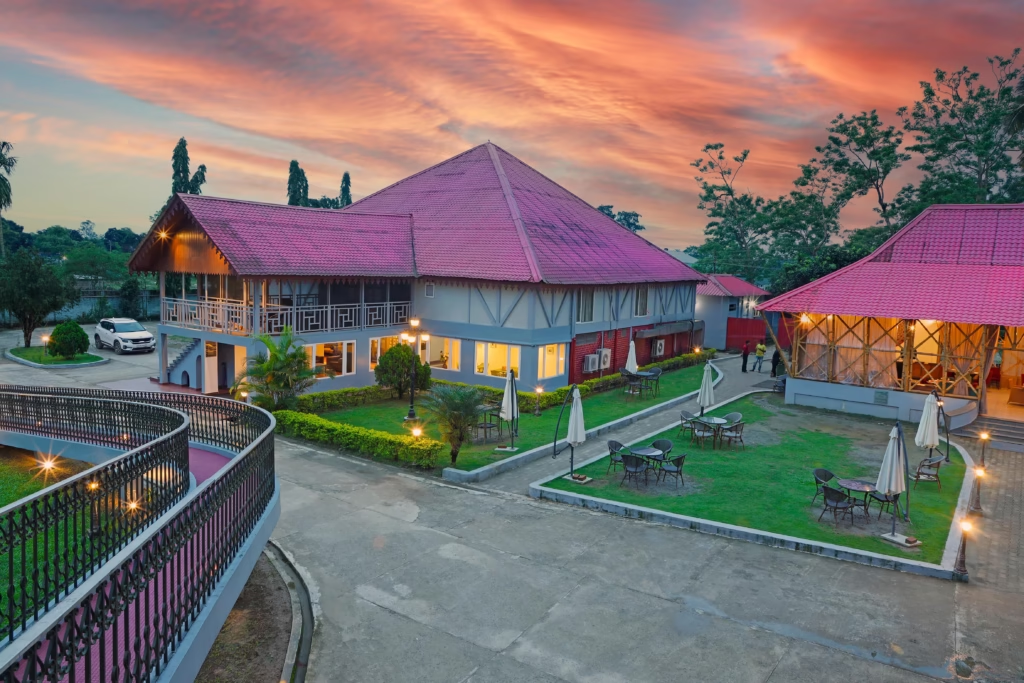
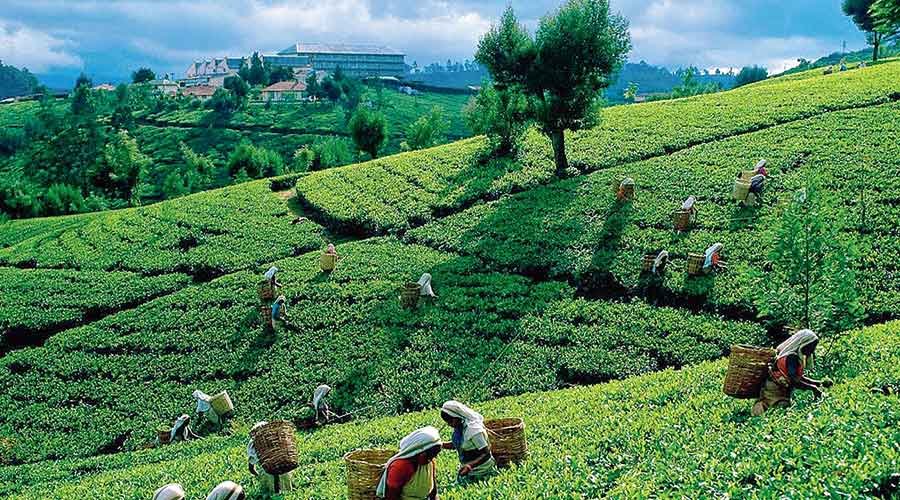
- Context & significance: Assam has many minor estates which are not within the radar of tourists. They are usually controlled by local communities or tea-tribe clans that preserve the ancient tradition of tea farming as it has been practiced in the ancient past.
- What to look for: Gardens with modest size, run by local families or tea-tribe communities; labour-lines with bungalow-style living; adjacent forest/river landscapes; real working life of tea industry.
- Benefit for traveller: A more authentic experience — less polished than big estate tourism, but richer in real stories.
- Tips: Seek permission/respect – these are working estates. Engage with local guides. Plucking Visit during plucking (typically during spring and early summer) to watch the tea-bushes at work. Wear decently and bring water/snacks; the estate could be very bare.
What to Expect & How to Prepare
- Best time: The major “flushes” (tea-leaf harvests) in Assam occur roughly from March to May, and then again July-August. In these periods, gardens are vibrant and active.
- Getting there: Assam’s plains tea zones are more accessible via road from Guwahati, Tezpur or Dibrugarh; but smaller plantations may involve rural roads.
- What to wear & carry: Comfortable walking shoes, sun-hat, insect repellent, water bottle, camera. Early-morning dew on tea leaves can be slippery.
- Interaction: Respect the plantation labour-lines; ask before photographing workers or their homes; some estates welcome visitor-trails but it’s best to book ahead.
- Accommodation: Some estates now offer heritage bungalows or chalets (like Durrung); others may only allow day-visits. Clarify in advance.
- Sustainability & ethics: Remember that tea plantations are working landscapes. Support estates engaging in fair worker-practices and eco-friendly methods. Consider buying directly from estate stores for authenticity and support.
The Bigger Picture: Why Travelling to These Estates Matters
- Understanding tea culture: When you come to smaller estates, you can get to know how a tea leaf, bush to cup, and the people and ecosystem behind it, work.
- Supporting lesser-known destinations: Diversifies the tourism market other than the mainstream tourism sites, benefiting the locals and its conservation work of heritage bungalows/plantations.
- Enriching travel stories: Stepping in tea bushes, hearing the leaves rustle, watching the hand-plucking and factory machines: there are things that you will not experience in tourist resorts in large cities.
- Connecting with nature and history: A lot of these tea gardens are located near forests, rivers, historic buildings, old railway-lines, and colonial bungalows of planters- all provide a multi-layered experience of traveling.
Frequently Asked Questions (FAQ)
𝐐𝟏. 𝐖𝐡𝐚𝐭 𝐚𝐫𝐞 𝐬𝐨𝐦𝐞 𝐥𝐞𝐬𝐬𝐞𝐫-𝐤𝐧𝐨𝐰𝐧 𝐭𝐞𝐚 𝐞𝐬𝐭𝐚𝐭𝐞𝐬 𝐢𝐧 𝐀𝐬𝐬𝐚𝐦 𝐬𝐮𝐢𝐭𝐚𝐛𝐥𝐞 𝐟𝐨𝐫 𝐭𝐨𝐮𝐫𝐢𝐬𝐭𝐬?
A1. Instead of the most well known large estates, seek out smaller known gardens like Durrung Tea Estate near Tezpur or Amchong Tea Estate near Guwahati. These are tea trail experiences, factory visits, and boutique stays.
𝐐𝟐. 𝐖𝐡𝐞𝐧 𝐢𝐬 𝐭𝐡𝐞 𝐛𝐞𝐬𝐭 𝐭𝐢𝐦𝐞 𝐭𝐨 𝐯𝐢𝐬𝐢𝐭 𝐭𝐞𝐚 𝐠𝐚𝐫𝐝𝐞𝐧𝐬 𝐢𝐧 𝐀𝐬𝐬𝐚𝐦 𝐟𝐨𝐫 𝐚 𝐠𝐨𝐨𝐝 𝐞𝐱𝐩𝐞𝐫𝐢𝐞𝐧𝐜𝐞?
A2. Its optimum season is either through or immediately following the large tea-leaf harvest flushes – usually March to May (spring) and in July-August (monsoon flush). The vegetation is bright, and the activity in the garden is great.
𝐐𝟑. 𝐂𝐚𝐧 𝐯𝐢𝐬𝐢𝐭𝐨𝐫𝐬 𝐬𝐭𝐚𝐲 𝐨𝐯𝐞𝐫𝐧𝐢𝐠𝐡𝐭 𝐢𝐧 𝐭𝐞𝐚 𝐩𝐥𝐚𝐧𝐭𝐚𝐭𝐢𝐨𝐧 𝐞𝐬𝐭𝐚𝐭𝐞𝐬 𝐢𝐧 𝐀𝐬𝐬𝐚𝐦?
A3. Yes – there are heritage bungalows or chalet-type accommodation in a few tea estates (such as Durrung Tea Estate ). But there are numerous smaller estates which have day-visits only. Premake booking and checking facilities is recommended.
𝐐𝟒. 𝐇𝐨𝐰 𝐬𝐡𝐨𝐮𝐥𝐝 𝐨𝐧𝐞 𝐛𝐞𝐡𝐚𝐯𝐞 𝐫𝐞𝐬𝐩𝐞𝐜𝐭𝐟𝐮𝐥𝐥𝐲 𝐰𝐡𝐢𝐥𝐞 𝐯𝐢𝐬𝐢𝐭𝐢𝐧𝐠 𝐚 𝐭𝐞𝐚 𝐩𝐥𝐚𝐧𝐭𝐚𝐭𝐢𝐨𝐧 𝐜𝐨𝐦𝐦𝐮𝐧𝐢𝐭𝐲?
A4. Request permission of photographs, particularly of workers and labour-lines, dress modestly, observe visitor-trailed zones and, as much as possible, purchase tea in the estate to contribute to local livelihoods.
𝐐𝟓. 𝐀𝐫𝐞 𝐬𝐦𝐚𝐥𝐥 𝐭𝐞𝐚 𝐠𝐚𝐫𝐝𝐞𝐧𝐬 𝐢𝐧 𝐀𝐬𝐬𝐚𝐦 𝐚𝐜𝐜𝐞𝐬𝐬𝐢𝐛𝐥𝐞 𝐟𝐨𝐫 𝐨𝐟𝐟-𝐛𝐞𝐚𝐭 𝐭𝐫𝐚𝐯𝐞𝐥𝐥𝐞𝐫𝐬?
A5. Yes, however, accessibility is different. Other small estates are near large towns (e.g., around Guwahati) whereas some can comprise remote roads and little facilities. It is prudent to plan the transport and verify road/seasonal conditions.
𝐐𝟔. 𝐇𝐨𝐰 𝐝𝐨𝐞𝐬 𝐯𝐢𝐬𝐢𝐭𝐢𝐧𝐠 𝐭𝐡𝐞𝐬𝐞 𝐥𝐞𝐬𝐬𝐞𝐫-𝐤𝐧𝐨𝐰𝐧 𝐭𝐞𝐚 𝐠𝐚𝐫𝐝𝐞𝐧𝐬 𝐛𝐞𝐧𝐞𝐟𝐢𝐭 𝐥𝐨𝐜𝐚𝐥 𝐜𝐨𝐦𝐦𝐮𝐧𝐢𝐭𝐢𝐞𝐬?
A6. It spreads tourist focus away off the big estates, boosts small operators and labour-communities, assists in preserving heritage buildings and creates awareness of the underlying story of tea culture- beyond the concept of tea for sale.
Conclusion
Venturing into the uncharted tea fields of Assam enables one to leave the postcard view to narratives that are less visible: of smaller states, of labourers, of old bungalows, of actual living sceneries. To the traveller of WanderUnheard, these are not journeys of gulping Assam tea-but of wandering between the leaves, of getting to know the land, and of exploring a world, which is as silent green and light-footed.
Pack your walking shoes, camera and curiosity — the lesser-known tea gardens of Assam await.

