

Meghalaya, the “Abode of Clouds,” hides some of India’s most otherworldly landscapes. Beneath its mist-laden hills and deep green valleys lie mystical caves, living root bridges, and even subterranean river canyons like Wari Chora — places where nature still whispers in its purest form.
Be it an adventure seeker, photographer, or nature lover, the pristine sceneries of Meghalaya will provide an experience that will be truly out of this world.
The Hidden Caves of Meghalaya – Beneath the Earth’s Veil
1. Mawsmai Cave – The Gateway to the Underground World
The Mawsmai Cave is one of the most accessible but the most awe-inspiring limestone caves of Meghalaya that is located at a close distance of Cherrapunji. Its dark tunnels, naturally cut chambers and reflective walls provide an exciting view of the large network of the area underground.
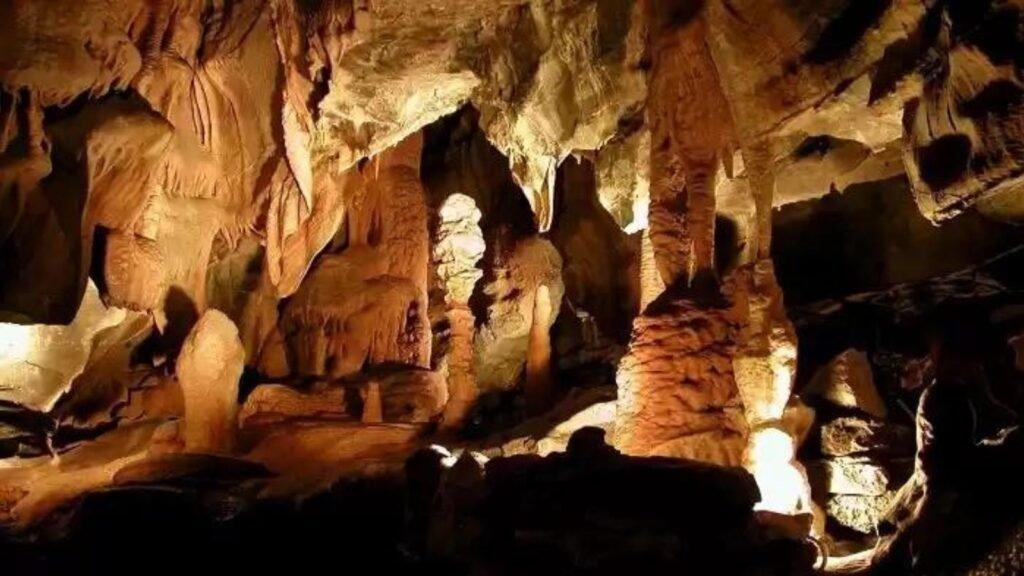
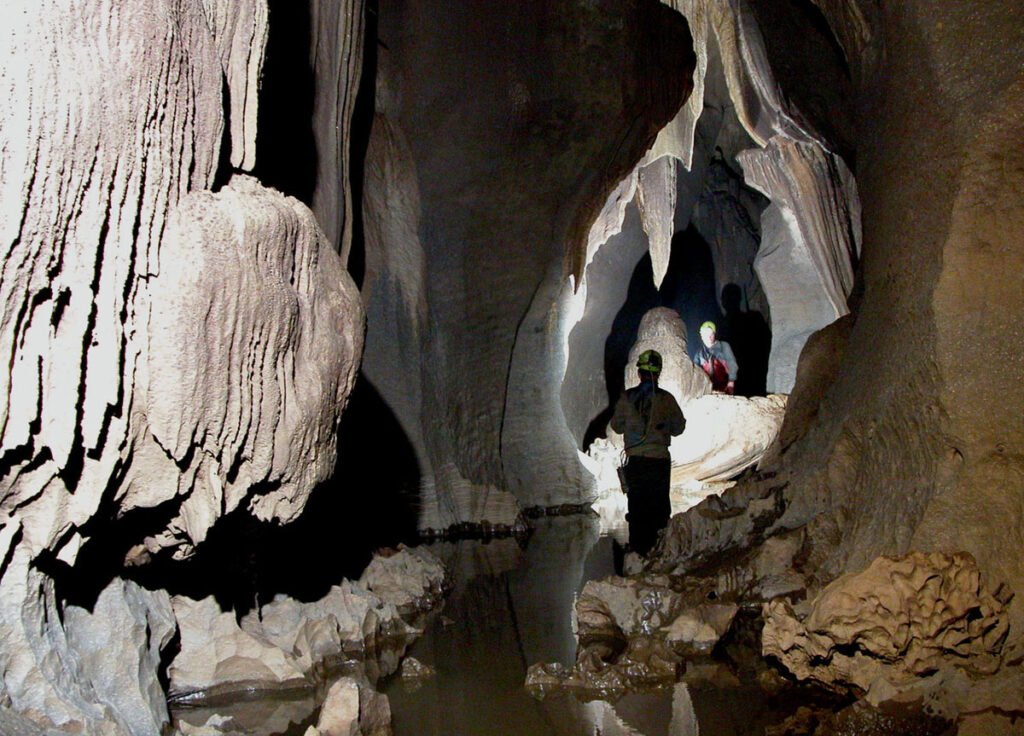
- Location: Sohra (Cherrapunji), East Khasi Hills
- Best Time to Visit: October to April
- Highlights: Limestone formations, easy exploration route, electric lighting
2. Siju Cave – The Bat Sanctuary of Garo Hills
Siju or the Bat Cave is one of the longest caves in India. It is located close to the Simsang River in South Garo Hills and is inhabited by thousands of bats and beautiful stalactite-stalagmite structures.
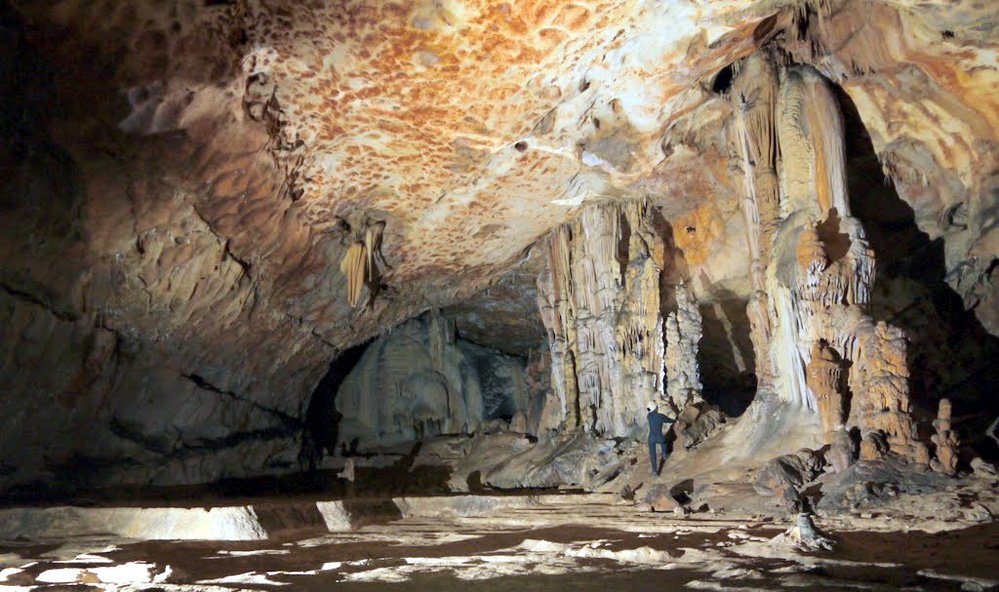
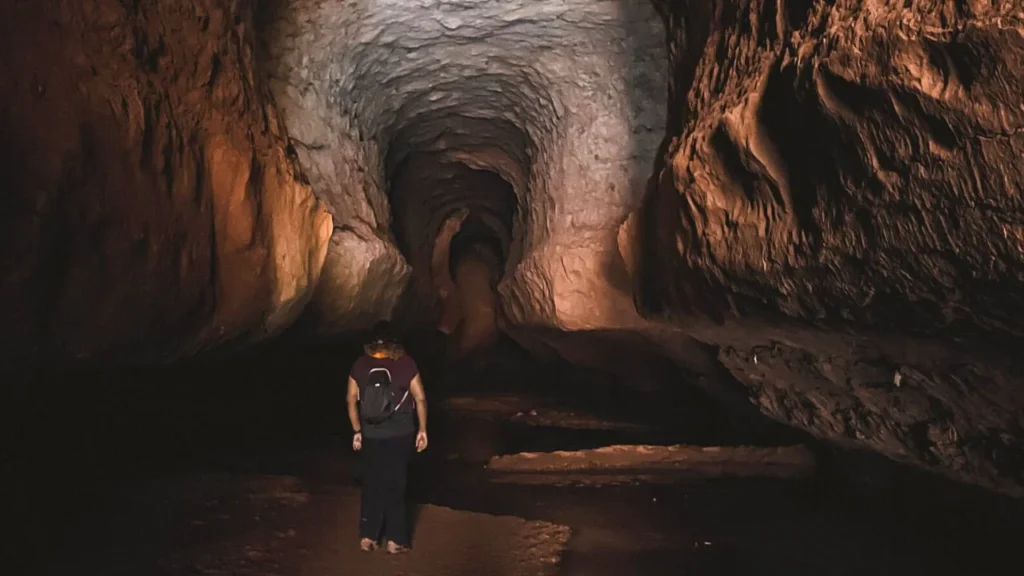
- Location: South Garo Hills, near Baghmara
- Famous For: Bat colonies, limestone formations, echoing chambers
3. Arwah Cave – Echoes of the Past
Another treasure of Cherrapunje is the Arwah Cave which conceals fossils several million years old. It has natural skylights and dripping limestone curtains making it look like a cathedral underground.
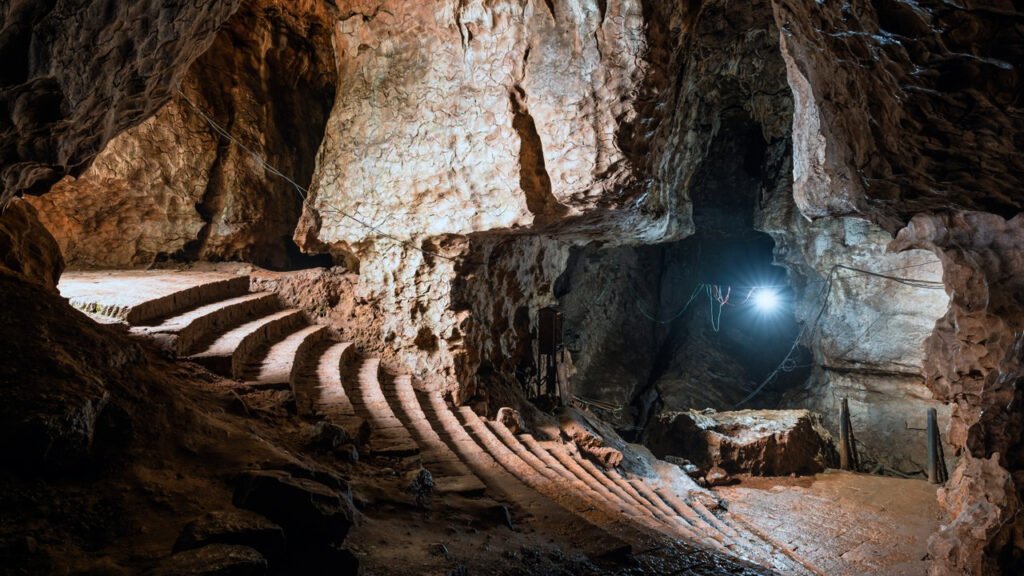
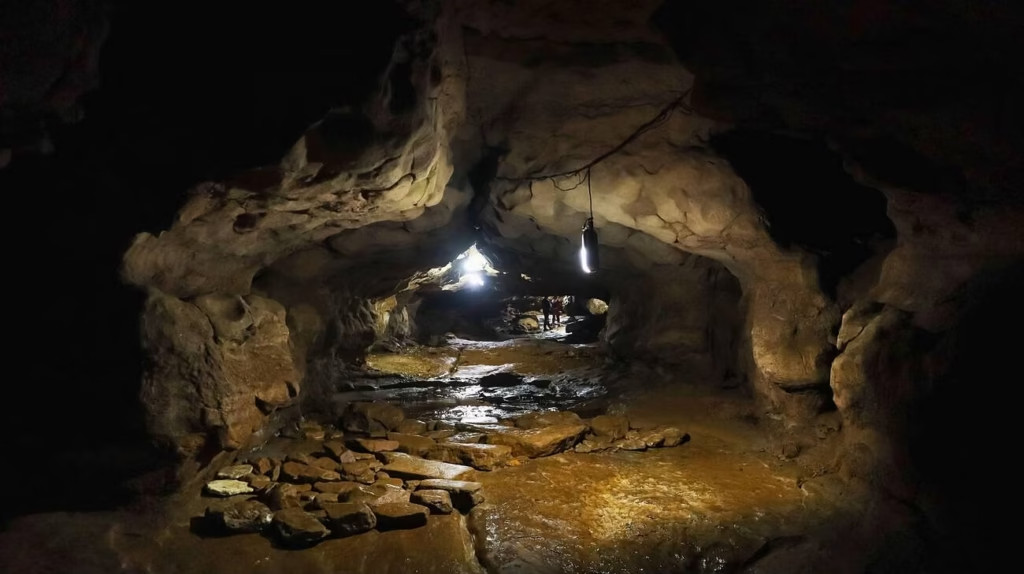
- Highlights: Fossils, illuminated walkways, guided trails
- Pro Tip: Carry a flashlight for exploring the darker sections
4. Krem Liat Prah – India’s Longest Cave System
Krem Liat Prah, a network of tunnels, rooms and waterways measuring over 30 km, is also known as a labyrinth. Speleologists are still exploring it and are familiar with the so called Air Passage – an enormous trunk-shaped cave.
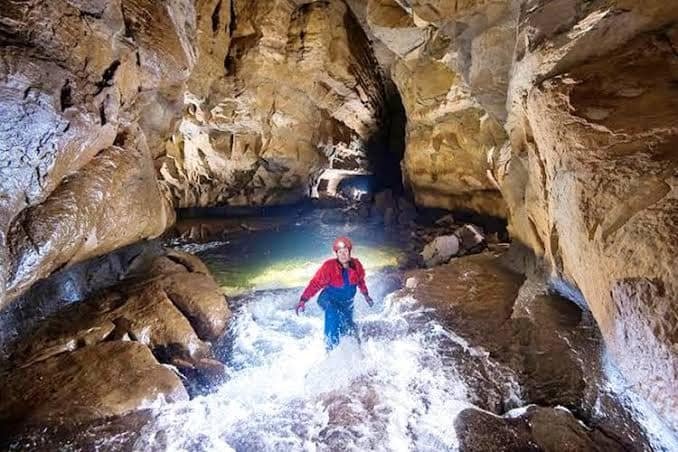
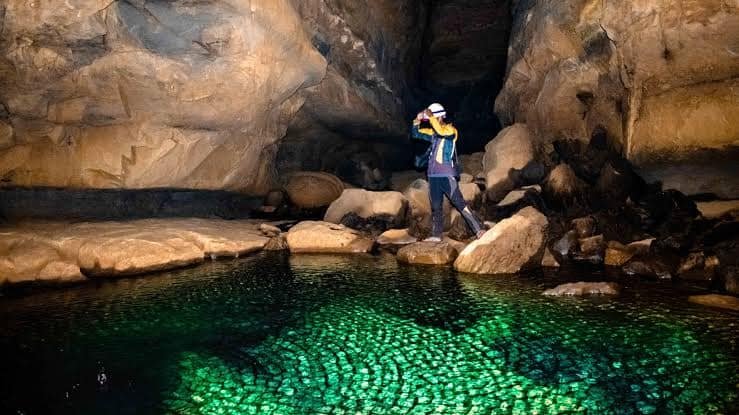
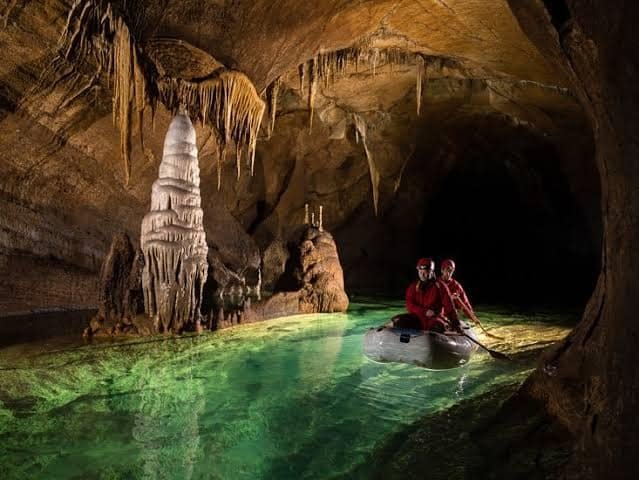
- Location: East Jaintia Hills
- Accessibility: Requires prior permission and guided exploration
5. Wari Chora – The Hidden Canyon of Garo Hills
Though not technically a cave, Wari Chora deserves a place on this list for its sheer mystique. This river canyon, carved by the Wari River in South Garo Hills, looks and feels like a cave system — especially during the monsoon.
In the rainy season, sunlight filters through narrow rock walls as emerald-green waters swirl below, creating a scene so magical it feels like another world entirely. Travelers often describe it as Meghalaya’s “secret canyon of light.”
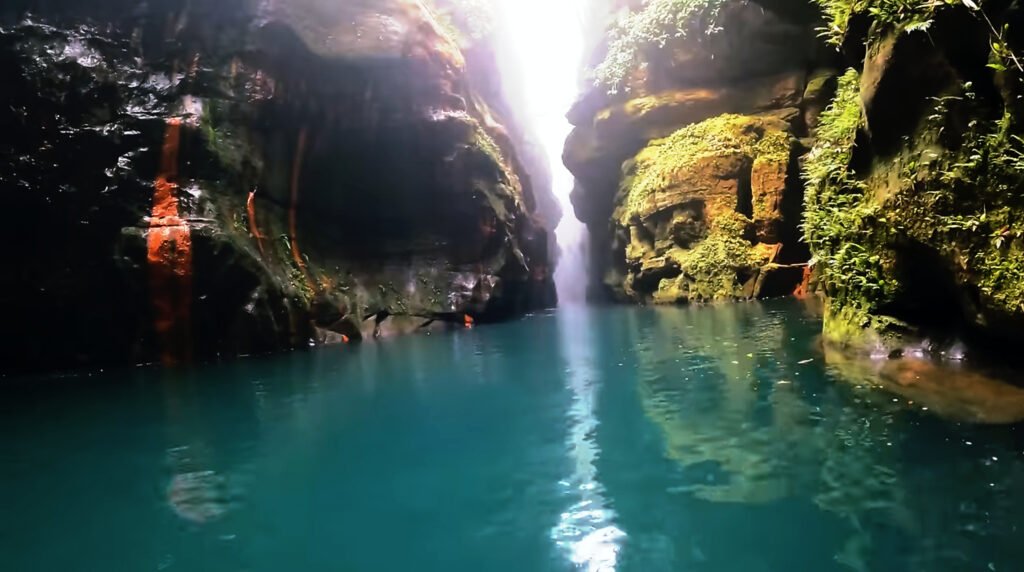
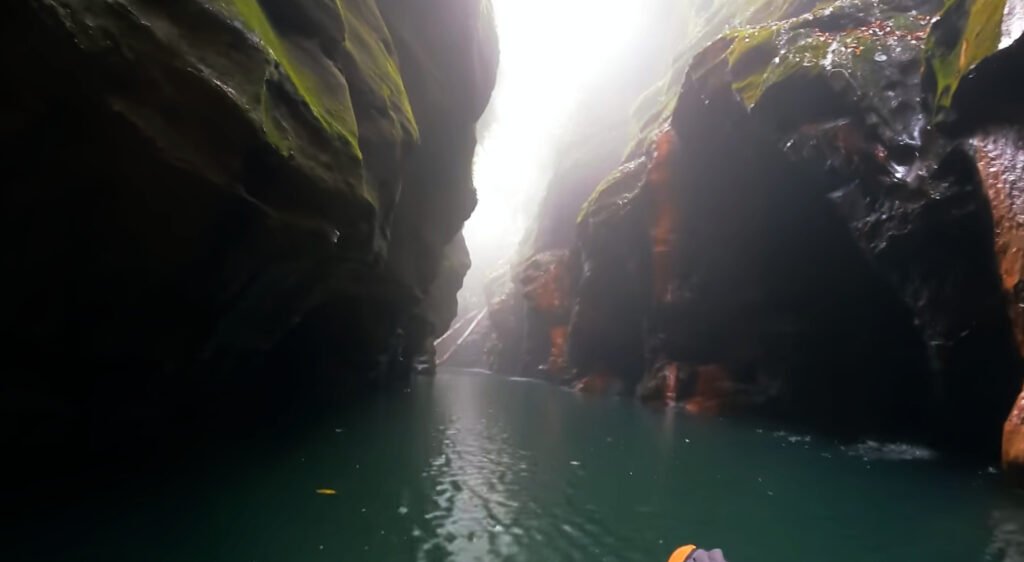
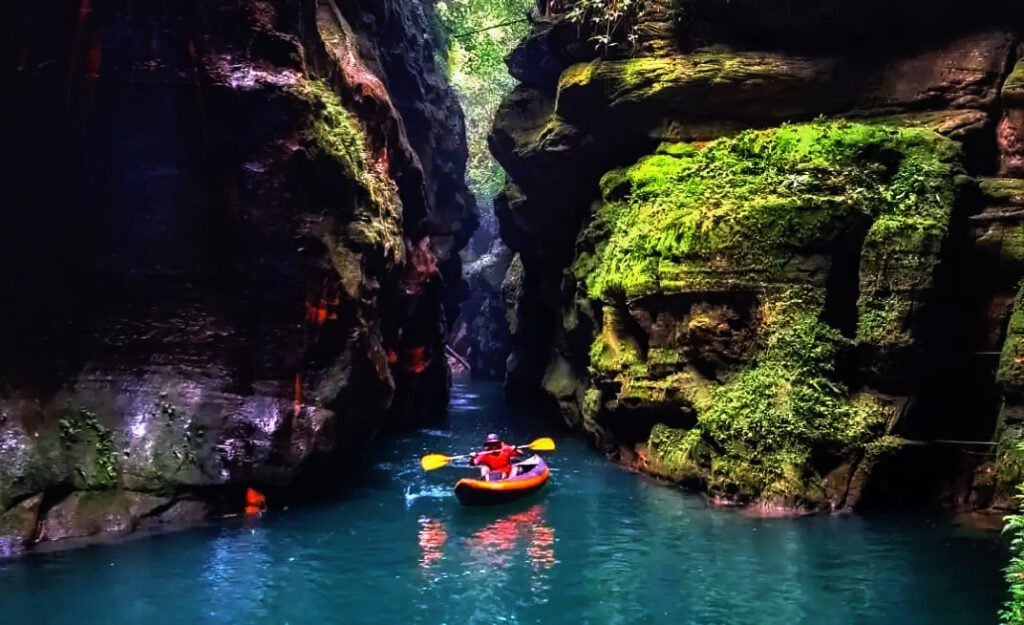
- Location: South Garo Hills (near Dabalgre Village)
- Best Time to Visit: June to September (for the full water-filled spectacle)
- Experience: Kayaking, canyon exploration, photography paradise
The Living Root Bridges – Meghalaya’s Living Architecture
The Living root bridges are a marvelous work of sustainable engineering by the natives of the Khasi and Jaintia Hills who have hidden deep in the rainforests of the Khasi and Jaintia Hills. They are constructed of aerial roots of rubber fig trees (Ficus elastica) leading through streams and rivers. The roots are strengthened and in the course of time they intertwine creating natural walkways that are firm and can last centuries.
1. Double Decker Root Bridge, Nongriat
This two-layered bridge is the most renowned and may be the most significant project of natural engineering in Meghalaya. It takes more than 3,000 steps to get there but it is worth the sweat.
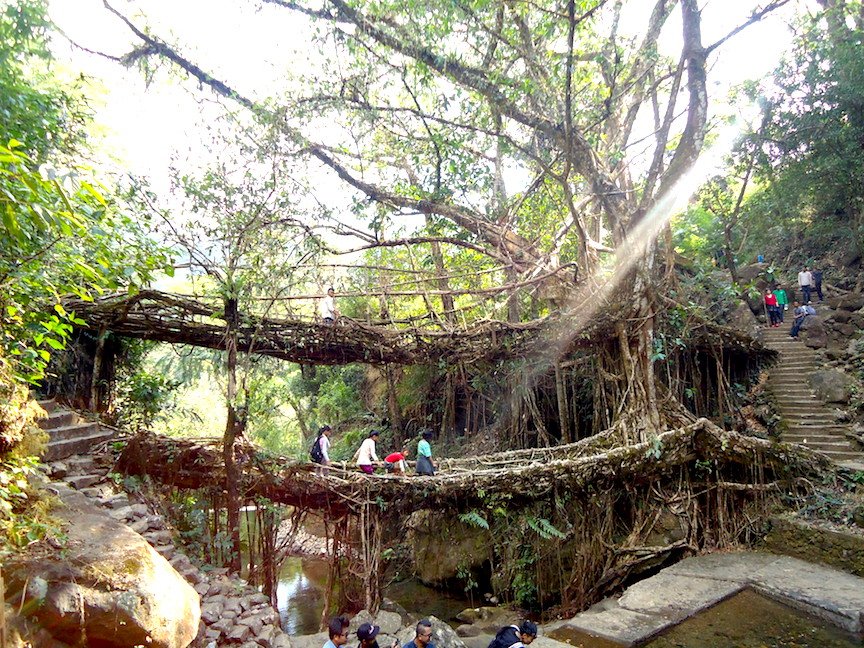
- Location: Nongriat Village, near Cherrapunji
- Trek Duration: 2–3 hours (one way)
- Best Time to Visit: October to March
2. Riwai Root Bridge, Mawlynnong
The Riwai Root Bridge has been set in the cleanest Asian village and is easy to reach and is ideal to those who do not wish to go to the location to have the experience of the wonder without tedious journey.
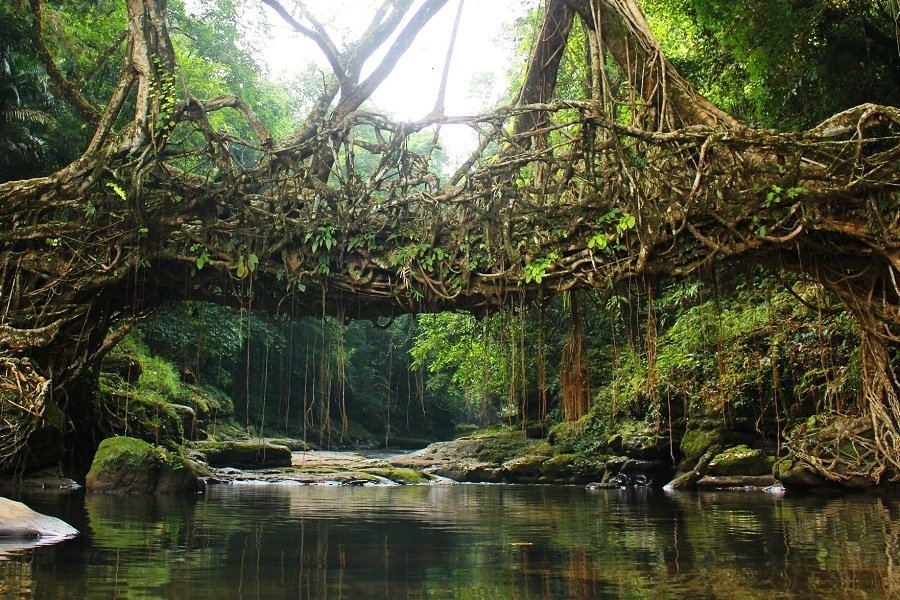
- Location: Riwai Village, near Mawlynnong
- Distance from Shillong: 78 km
3. Nongthymmai and Laitkynsew Bridges
These bridges, lesser known and silent than Nongriat, are suitable to those who want to feel the calmness of forests in Meghalaya without the crowd.
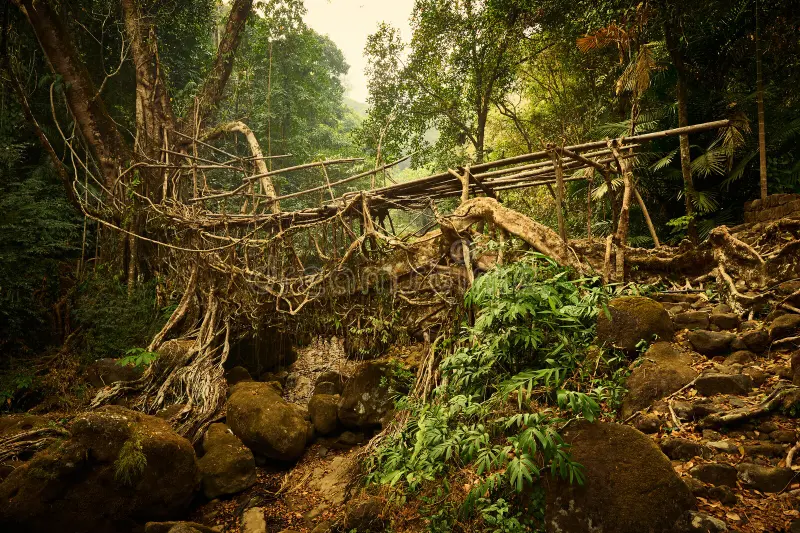
- Highlights: Fewer tourists, scenic views, traditional Khasi villages
Best Time to Visit Meghalaya’s Natural Wonders
| Season | Duration | Experience |
|---|---|---|
| Winter | November – February | Ideal for trekking and exploring caves with pleasant weather |
| Summer | March – May | Great for outdoor adventures; light showers keep the forests lush |
| Monsoon | June – September | Wari Chora and root bridges at their most vibrant (but caves may flood) |
Travel Tips for Exploring Meghalaya’s Hidden Gems
- Hire Local Guides: Especially crucial for places like Krem Liat Prah and Wari Chora.
- Wear Sturdy Shoes: Trails are often steep, wet, and slippery.
- Carry Light: Keep essentials like water, snacks, and a flashlight.
- Respect Local Culture: Seek permission before entering tribal areas.
- Avoid Littering: Help preserve Meghalaya’s pristine beauty.
Why You Should Visit
The hidden caves and living root bridges in Meghalaya are not only the places of sightseeing, but also tales of survival, innovation and integration. They help us remember how nature and tradition can coexist with each other, and bring forth miracles that cannot be easily achieved through the art and design of man.
To the adventurous tourists that want to explore more than what is apparent, Meghalaya is an adventure that is raw, real and memorable.
How to Reach Meghalaya
- By Air: Shillong Airport (Umroi) or Guwahati Airport (125 km away).
- By Train: Nearest major station – Guwahati Railway Station.
- By Road: Well-connected by scenic highways from Assam and other Northeastern states.
FAQ – Hidden Caves and Living Root Bridges of Meghalaya
Q1. What is Wari Chora famous for?
Wari Chora is known for its magical canyon river, where sunlight, water, and stone create an illusion of a glowing cave during the monsoon. It’s perfect for kayaking and photography.
Q2. Are the caves in Meghalaya safe for tourists?
No, the majority of caves such as Mawsmai and Arwah are safe and lit. Nevertheless, in the case of more extended and uncharted caves such as Krem Liat Prah, it would be better to hire an experienced guide.
Q3. How long does it take to trek to the Double Decker Root Bridge?
It is about 2-3 hours one way by time depending on your fitness level. The hike is made up of steep steps and river crossings.
Q4. What’s the best time to visit Meghalaya for cave exploration?
Between November and April — when the weather is dry and caves are safe from monsoon flooding.
Q5. Are the root bridges natural or man-made?
They are natural constructions which are made by the Khasi tribes using aerial roots of fig trees; an ideal combination of human resource and nature patience.
Q6. Can I visit both caves and root bridges in one trip?
Absolutely. A 5–7 day trip is ideal to explore both — caves around Sohra and Jaintia Hills, and root bridges near Nongriat and Mawlynnong.
✨ Final Thoughts
The Hidden Caves, Wari Chora Canyon, and Living Root Bridges of Meghalaya form a trinity of nature’s finest artistry — sculpted below, above, and around the earth. From the silence of underground chambers to the whispering rainforests, Meghalaya invites you to experience what it means to be truly lost in wonder.

