

The whole world is accustomed to Odishi monuments, such as Konark and Puri, but there is more to Odishi landscape: there is a fantastic world of lost temples, standing silently in the hinterlands of the state. These ancient shrines found in different parts of the forest, tribal belts, riverbanks, and remote villages hold untold stories of faith, architecture, and forgotten dynasties.
To the traveller who wants to explore untouched heritage, religious enrichment, and pure cultural experience, the forgotten temples of Odisha is a travel that is not crowdsourced, filled with commercial tourism and everything.
Odisha’s Forgotten Temple Heritage: An Overview
Odisha experienced a period of active temple construction between the 7th and 15th centuries during the rule of the Shailodbhavas, Bhauma-Karas, Somavamsis, and Eastern Gangas. As certain structures prospered to become great, others were slowly deserted with the change of capitals, invasions, natural decay and the changing trade routes.
Today, these hidden temples remain:
- Poorly documented
- Absent from mainstream travel guides
- Known mainly to locals, historians, and temple priests
Yet architecturally and spiritually, they rival Odisha’s most famous monuments.
Architectural Identity of Odisha’s Hinterland Temples
Most forgotten temples follow the Kalinga architectural style, characterised by:
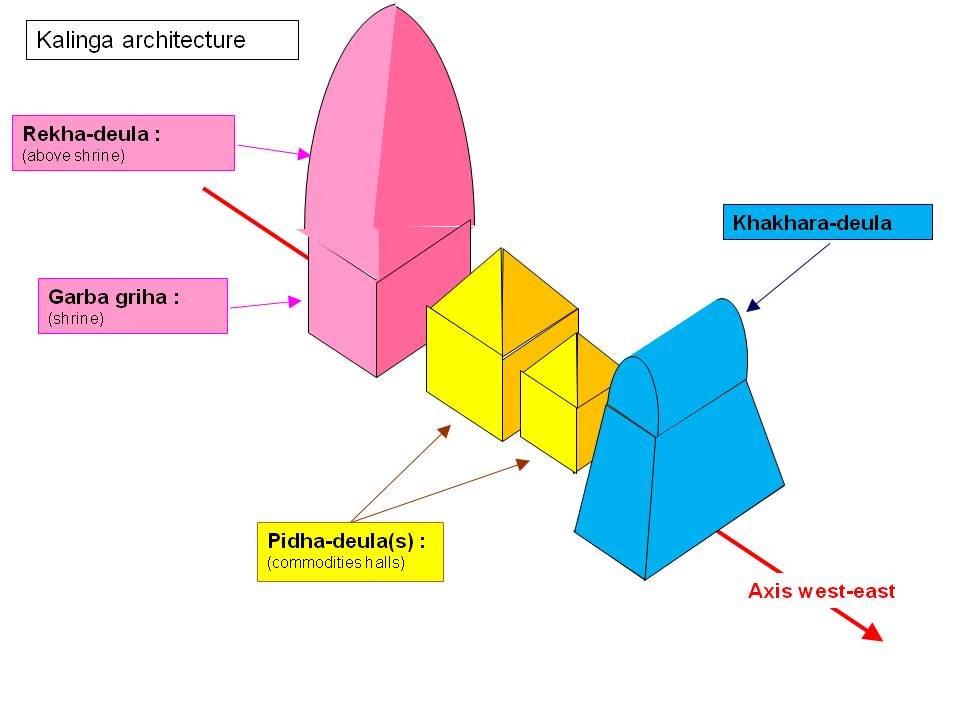
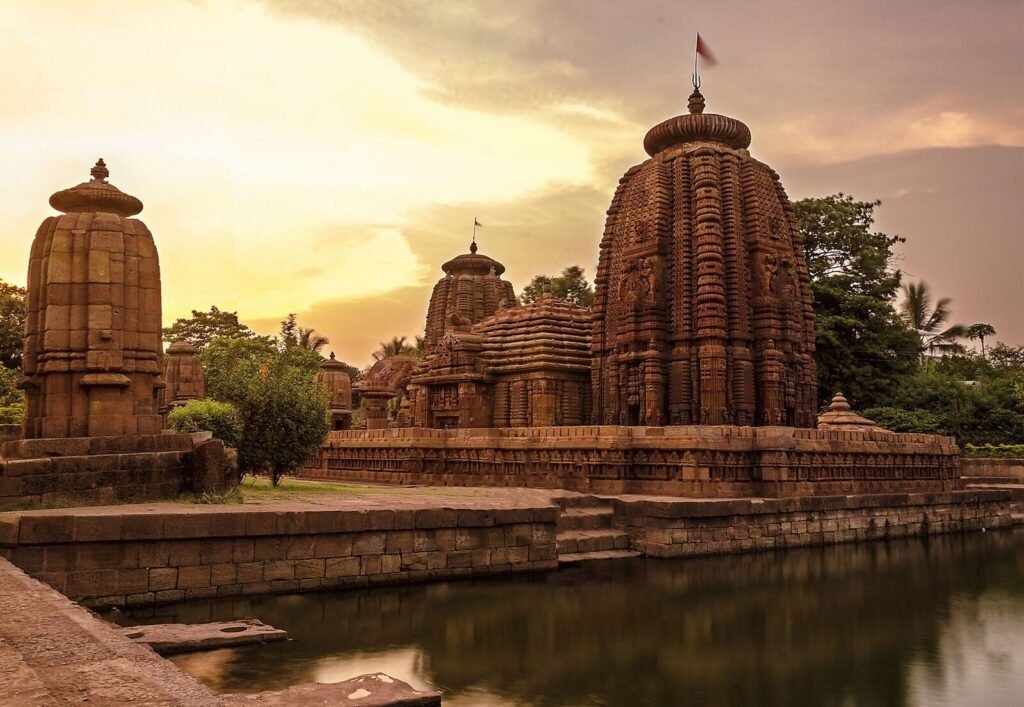
- Rekha Deula: Tall curvilinear spires (vimana)
- Pidha Deula: Tiered pyramid-like halls (jagamohana)
- Khakhara Deula: Semi-cylindrical roofs, often for Shakti temples
- Intricate stone carvings of deities, dancers, animals, and floral motifs
- Locally sourced sandstone and laterite blocks
Despite weathering, many carvings remain remarkably detailed.
Forgotten Temples You Should Know About
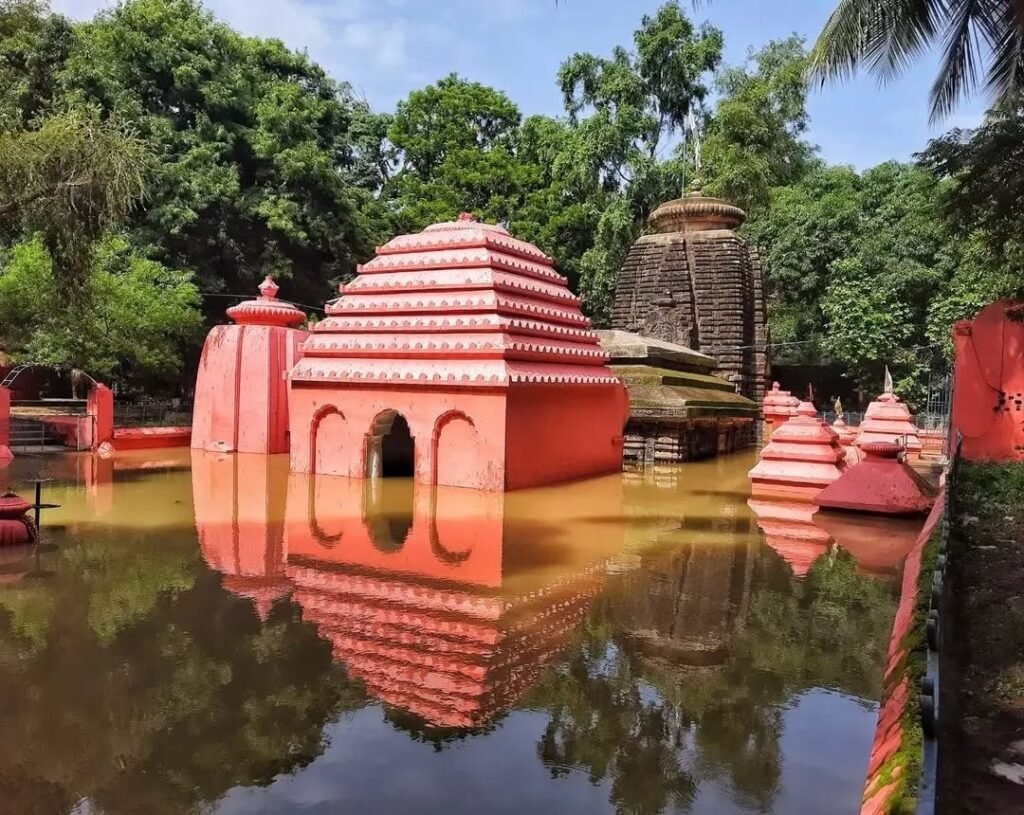
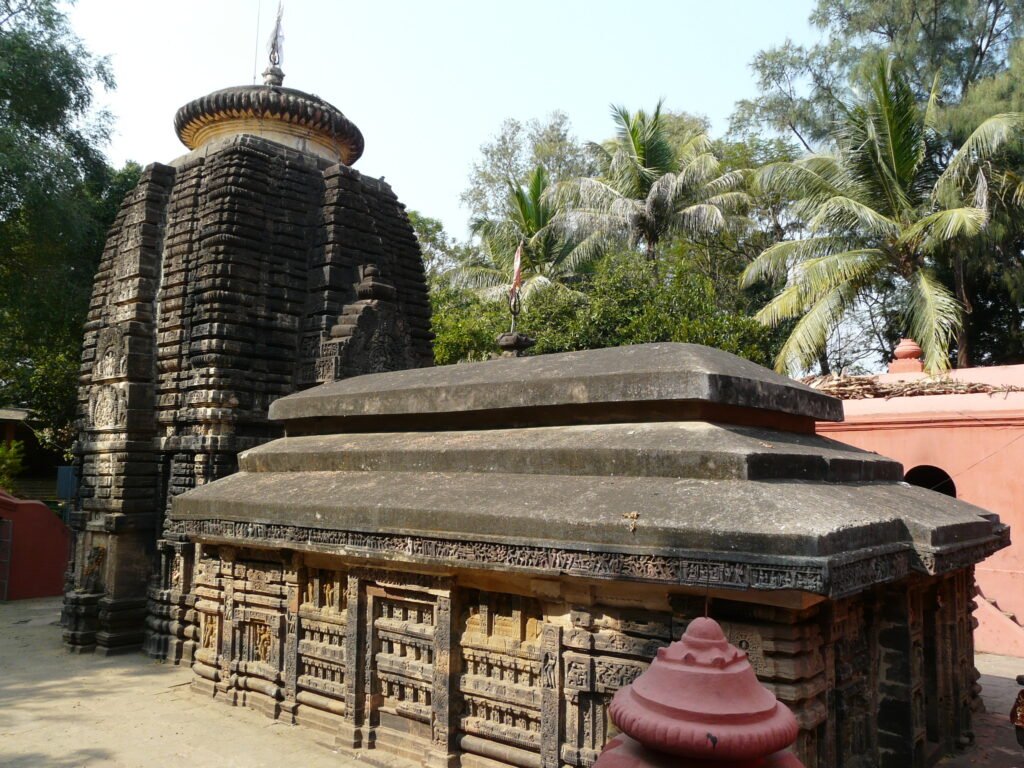
1. Simhanath Temple, Cuttack District
It is an island temple of Shiva that was built in the 9th century and is only reachable by boat. It was a great Shaivite centre, but is to-day almost unrecognised except on local festivals.
Why it matters:
- Early Kalinga architectural features
- Rare river-island temple location
2. Budhi Thakurani Temple
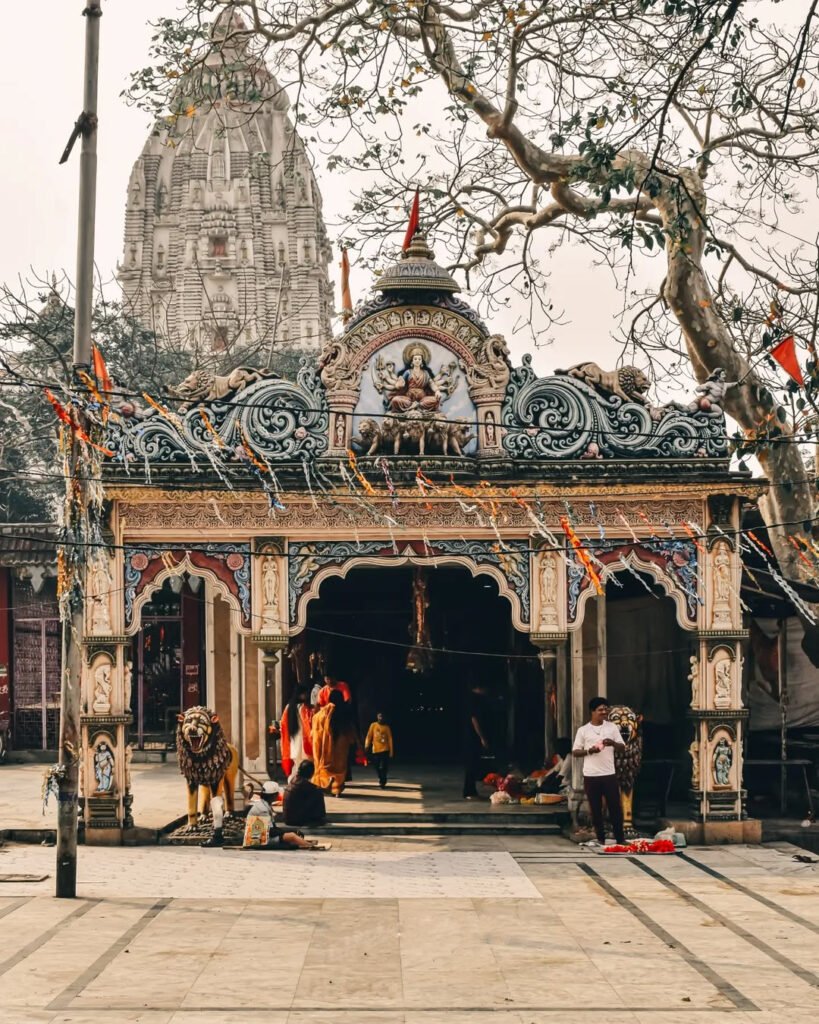
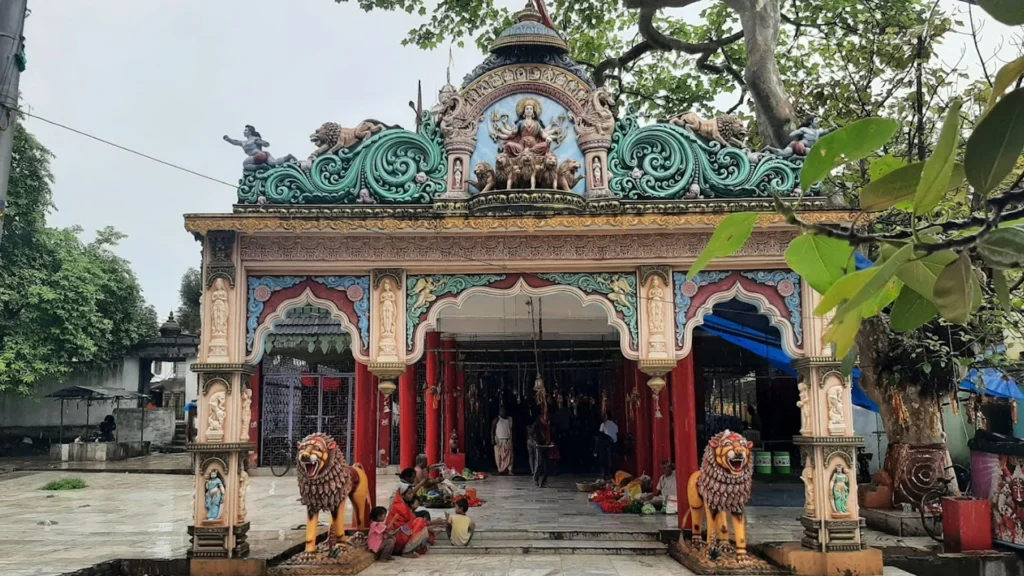
This shrine is buried in the depth of tribal territories, which is an indication of the merging of tribal religions and classical Hinduism. The goddess is worshipped as a mother goddess of protection.
Why it matters:
- Living example of indigenous spiritual traditions
- Active rituals untouched by urban influence
3. Nilamadhava Temple
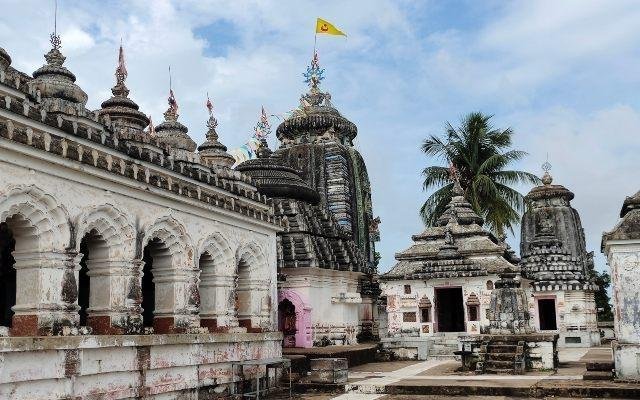
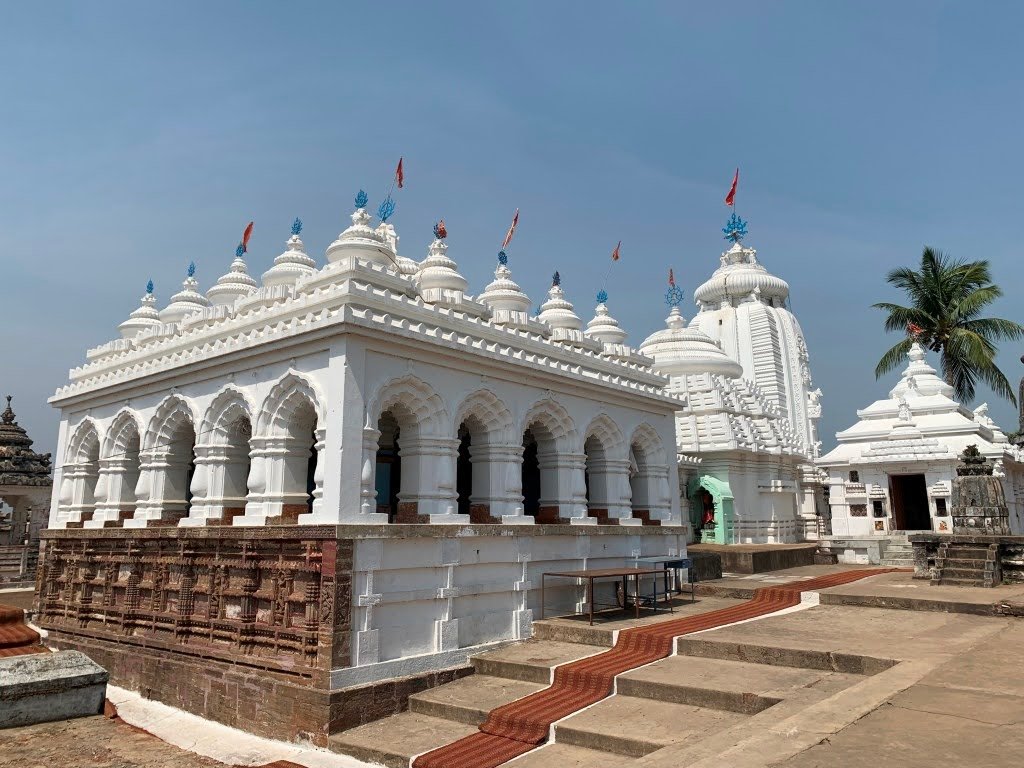
Nilamadhava worship is of immense historical importance, and it pre-dates the Jagannath cult. This temple is closely affiliated with development of Vaishnavism in Odisha and it is situated in the intersection of Mahanadi and Kuanria rivers.
Why it matters:
- Key to understanding Jagannath traditions
- Serene riverside spiritual atmosphere
4. Nrusinghanath Temple
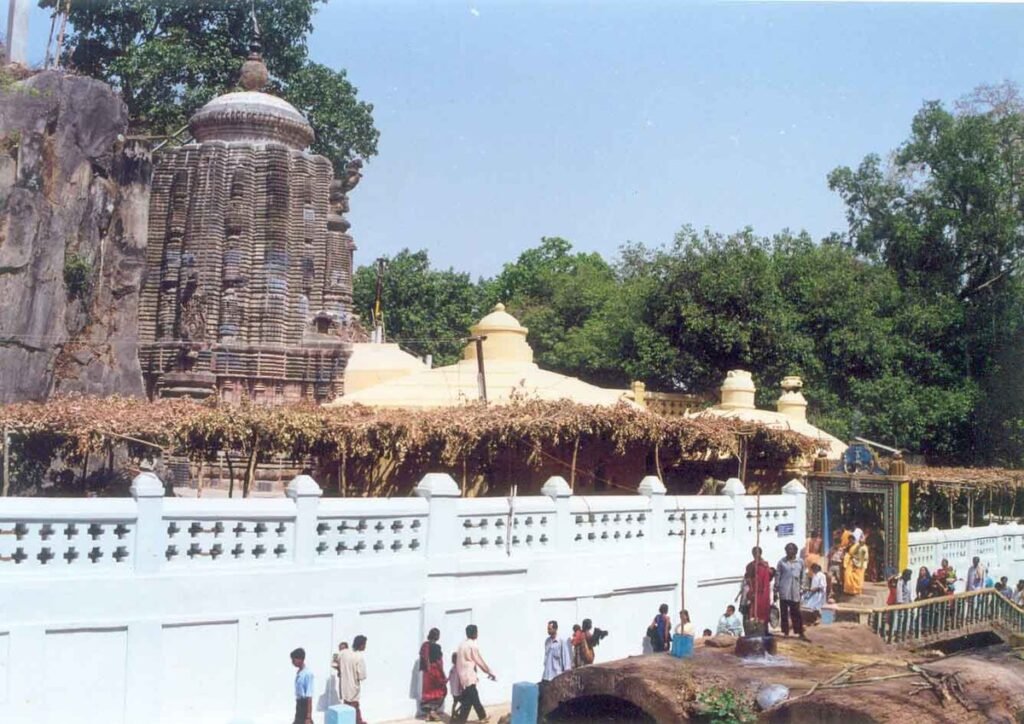
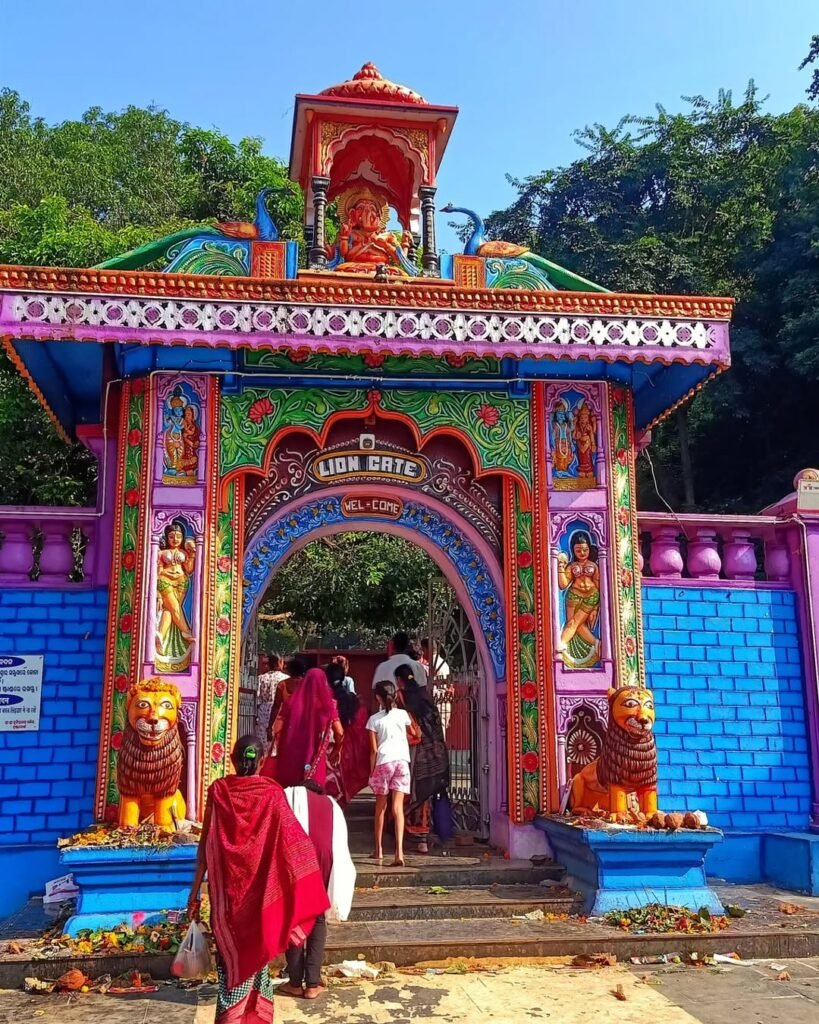
Located in the Gandhamardan Hills, a bio-diversity area, this temple is a combination of nature, mythology and worship. It is not a popular tourist destination but rather neglected by mainstream tourism despite it being visited by pilgrims.
Why it matters:
- Mythological association with Lord Narasimha
- Surrounded by medicinal forests and waterfalls
Why These Temples Remain Forgotten
Several factors have contributed to their obscurity:
- Poor road connectivity
- Limited promotion by tourism authorities
- Focus on a few iconic monuments
- Lack of conservation funding
- Migration of local populations
Ironically, this neglect has helped preserve their authentic spiritual ambience.
Best Time to Explore Odisha’s Hinterland Temples
- October to February: Ideal weather for travel and exploration
- Temple festivals (varies by region): Offer cultural immersion but expect basic facilities
- Avoid peak summer months due to heat and humidity
Responsible Travel Tips for Temple Explorers
- Respect local customs and dress modestly
- Avoid touching ancient carvings
- Seek permission before photography
- Support local guides and homestays
- Leave no waste behind
Preserving these sites begins with conscious tourism.
Why WanderUnheard Recommends These Hidden Shrines
At WanderUnheard, we believe true travel lies in uncovering stories beyond guidebooks. Odisha’s forgotten temples are not just architectural relics—they are living testaments to faith, resilience, and regional identity waiting to be rediscovered.
FAQs: Forgotten Temples of Odisha Hinterlands
What are the forgotten temples of Odisha?
Odisha forgotten temples are the ancient shrines found in the rural and tribal areas that are historically important, but are generally not included in popular tourism and promotion.
Are these temples older than Konark and Puri?
Indeed some of the hinterland temples are as old as the 7th -9th centuries, older than most of the well known Odisha monuments.
Is it safe to visit Odisha’s hinterland temples?
Yes, the majority of the places are safe to the traveller. Nevertheless, the tourists ought to ensure that transport is well planned, educate the locals, and travel during the day.
Do these temples follow a specific architectural style?
The majority of the forgotten temples are Kalinga architecture with Rekha Deula, Pidha Deula, and Khakhara Deula.
Which is the best season to explore hidden temples in Odisha?
The most suitable season is during October and February when the weather is favorable and good when travelling in rural areas.
Can solo travellers visit these temples?
Yes, but indie travellers need to study routes, keep in touch with the locals and hopefully get locals to guide them to isolated places.
Final Thoughts
The lost temples of the Odishi hinterland are mute custodians of ancient wisdom, which is miles away, off the highways and newspapers. To the heritages, spiritual pilgrims, and alternative travelers, these secret shrines will offer them an experience they will not forget going into the hidden religious history of India.
If you listen closely, these temples still whisper stories—only to those willing to wander unheard.

