
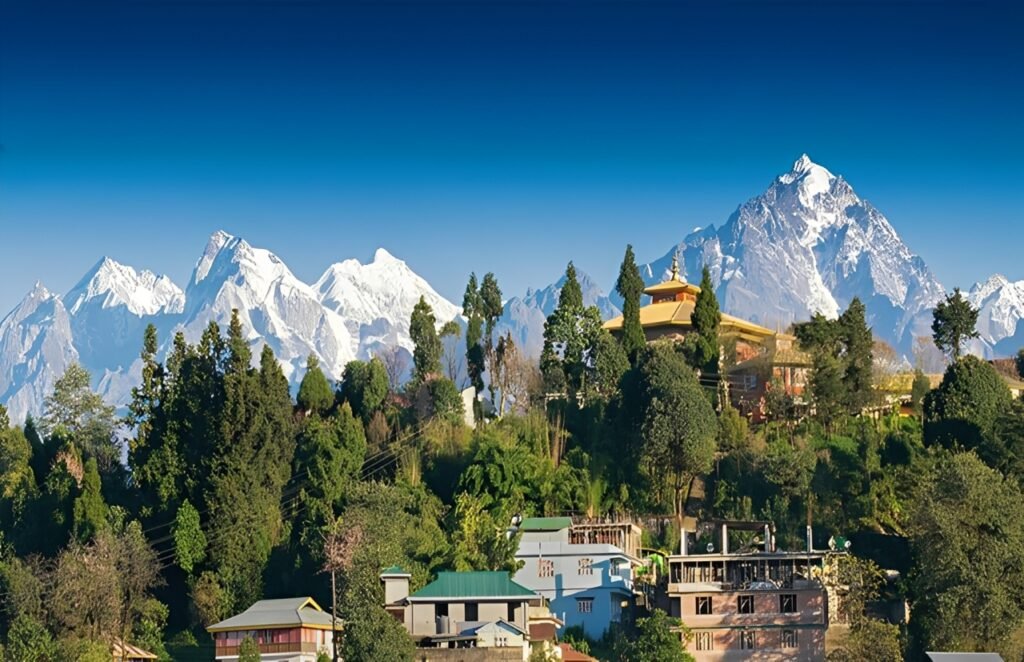
Sikkim, one of India’s most breathtaking Himalayan states, is admired for its monasteries, alpine forests, snow-covered peaks, and vibrant cultural heritage. Most of the visitors visit the common tourist spots by Gangtok, Lachung, Lachen, Pelling, and Namchi, but there is one more facet of Sikkim that is yet to be known to mainstream tourism. They are the isolated villages of Sikkim- remote, tranquil and deep-rooted in local customs.
The travel guide focuses on the purest and least established villages, the ideal place to slow travelers, documentary photographers, researchers, digital nomads, and all types of people who want to get away and find the most genuine cultural experiences.
Why Visit the Hidden Villages of Sikkim?
Traveling beyond commercial tourist circuits offers a rare opportunity to experience Sikkim in its purest form. Visitors can expect:
- Uncrowded natural landscapes
- Traditional Lepcha, Bhutia, and Nepali homestays
- Untouched trekking routes and panoramic Himalayan views
- Local cuisine including Phagshapa, Kinema, Gundruk, and Chhurpi Soup
- Strong cultural preservation and sustainable community tourism
- Rich biodiversity, including rare Himalayan birds and orchids
Top Hidden Villages in Sikkim
Below are some of the most remarkable offbeat villages in Sikkim worth adding to any itinerary.
1. Lungchok Village (East Sikkim)
Best for: Birdwatching, eco-tourism, secluded nature stays
Lungchok, a place close to Pakyong is also known because of its thick forests, traditional curing herbs, and sweeping sceneries of Mount Kanchenjunga. The village is perfect when one is interested in nature and wants to enjoy slow traveling.
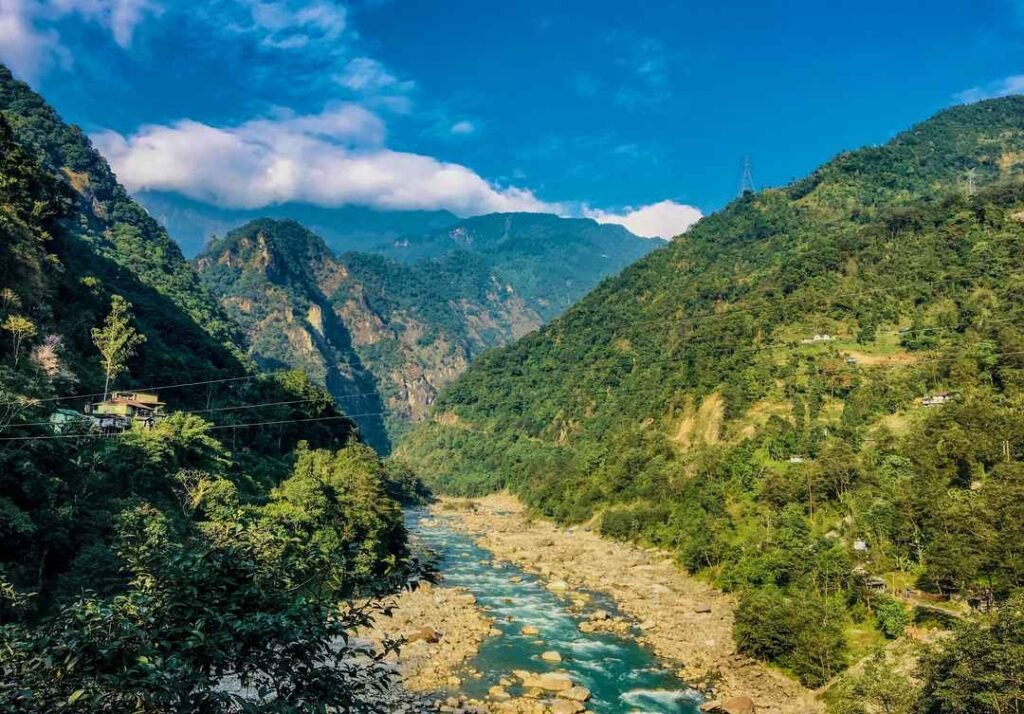
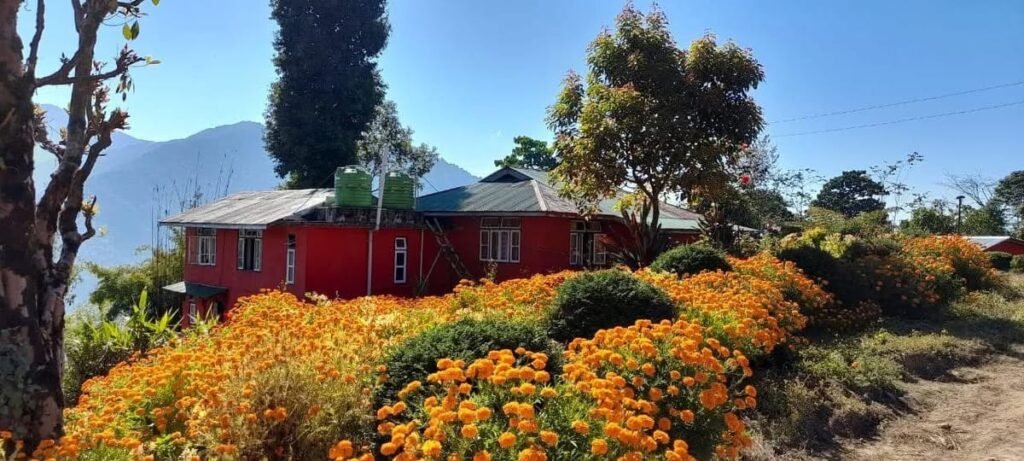
- Known for: Rhododendron forests, herbal plants, nature trails
- Nearby: Rolep, Pakyong Airport
- Best time to visit: October to May
2. Borong Village (South Sikkim)
Best for: Hot springs, wellness, and peaceful mountain living
Borong is a peaceful village that lies close to Ravangla and is forested with the Himalayan mountains. It is said that the natural hot springs possess medicinal qualities and this will appeal to wellness tourists.
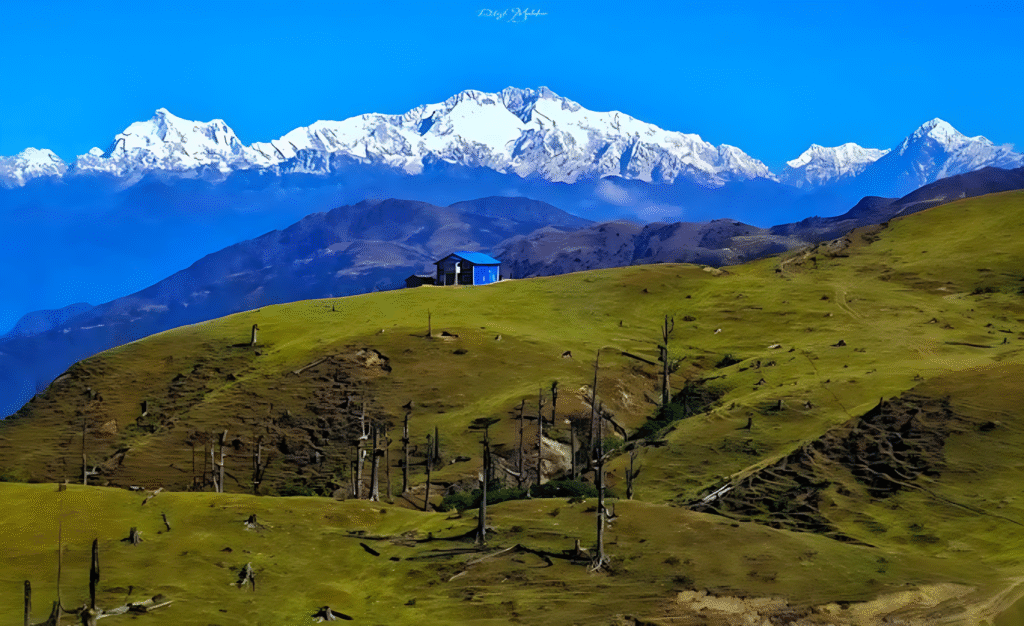
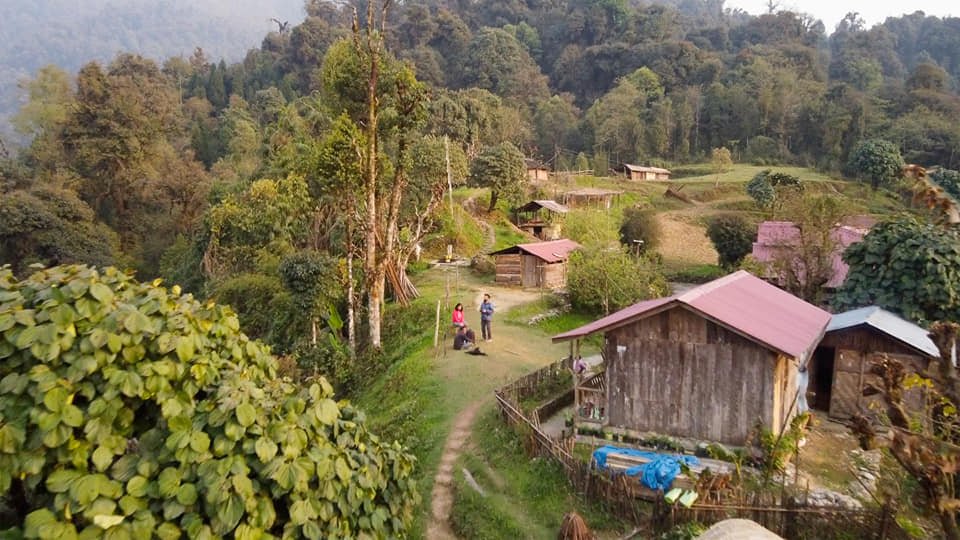
- Known for: Hot water springs, birdwatching lodges, quiet retreats
- Nearby: Ravangla Buddha Park
- Best time to visit: November to March
3. Dzongu – Sacred Lepcha Homeland (North Sikkim)
Best for: Cultural immersion, river trekking, indigenous heritage
Dzongu is the safe place of the Lepcha community which is only accessible to the original inhabitants of Sikkim. Tourists are able to taste bamboo bridges, traditional wooden houses and clean river valleys.
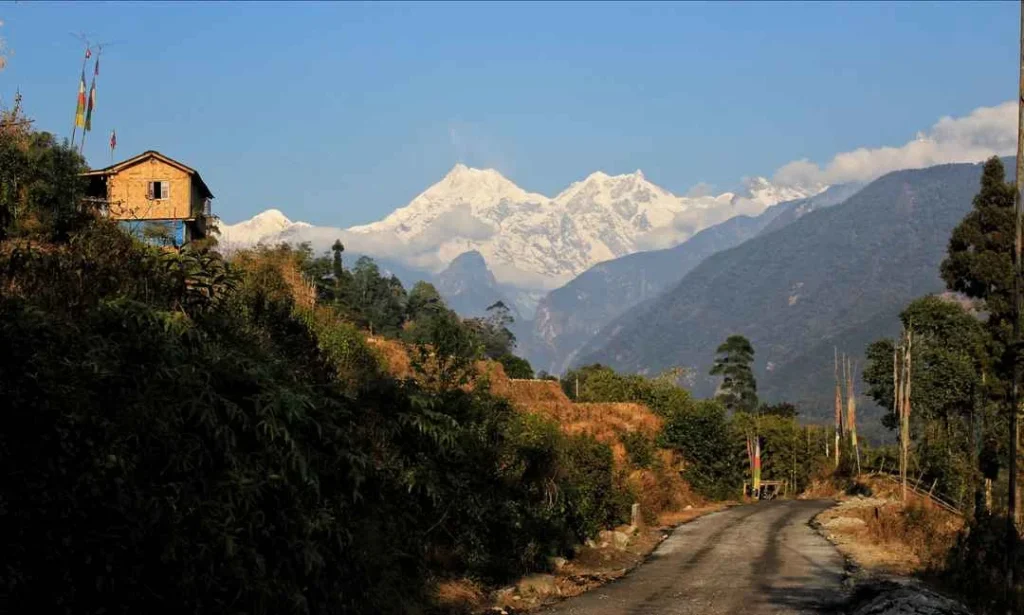
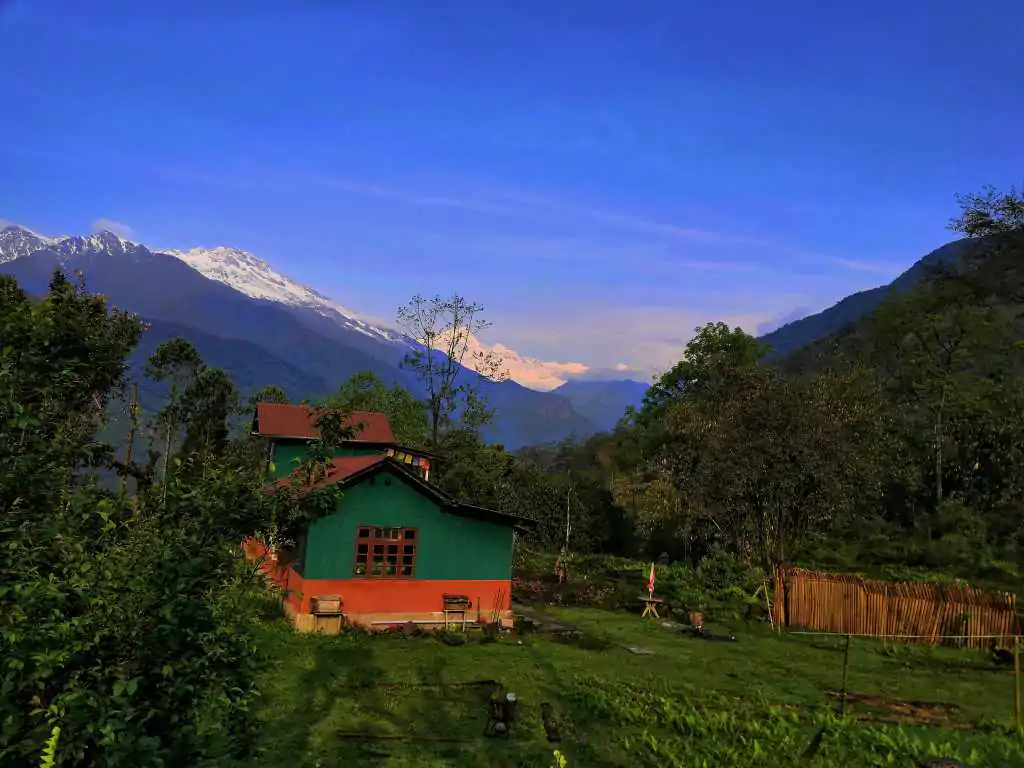
- Known for: Lingdem Suspension Bridge, Keushong Lake Trek
- Nearby: Mangan (North Sikkim headquarters)
- Best time to visit: September to June
4. Zuluk – The Silk Route Village (East Sikkim)
Best for: Unique hairpin road views, high-altitude sunrises, Himalayan panoramas
Zuluk belongs to the ancient Silk Route, and it is spectacular view of Mount Kanchenjunga and the mythical 32-hairpin road. It is an interesting experience attributed to wildlife viewing and valleys with clouds.
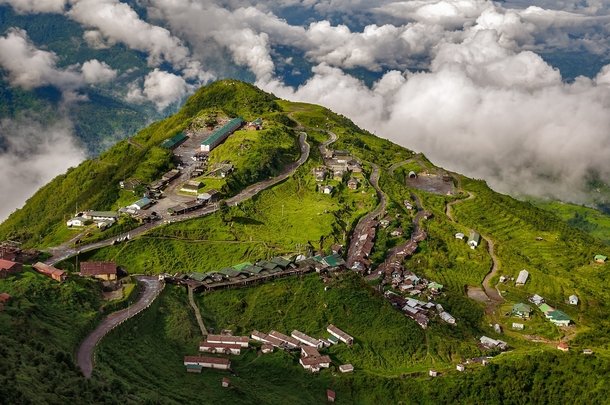
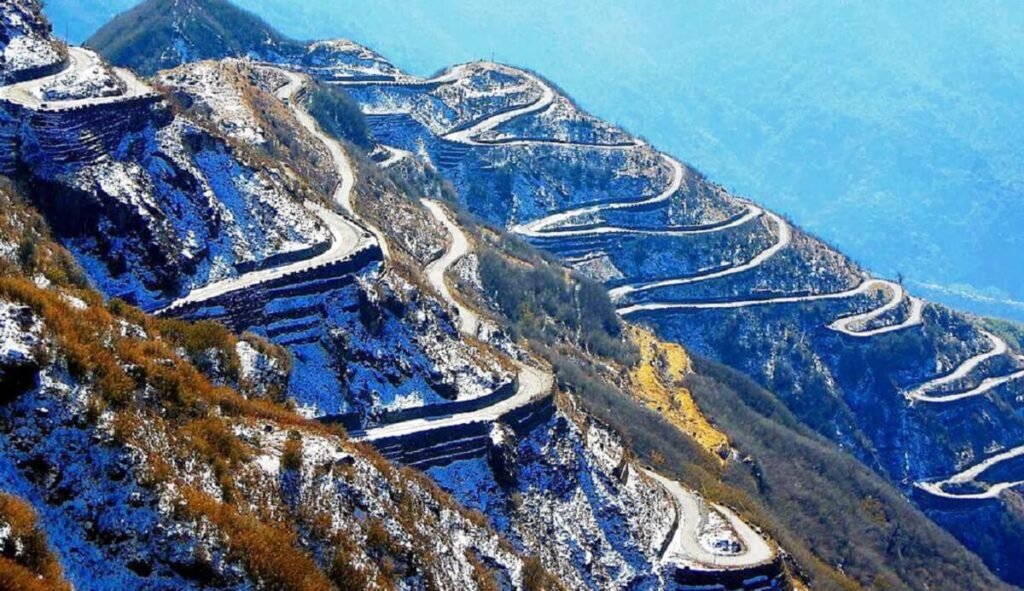
- Known for: Thambi Viewpoint, historic trade route, winter snowfall
- Nearby: Nathang Valley, Kupup Lake
- Best time to visit: August to April
5. Lingthem Village (North Sikkim)
Best for: Photography, remote work stays, quiet mountain life
The Lingthem is a place with wonderful mountainous scenery of Teesta River valley and snow peaks. It is a quiet place to be where writers, researchers and nature photographers would be welcome.
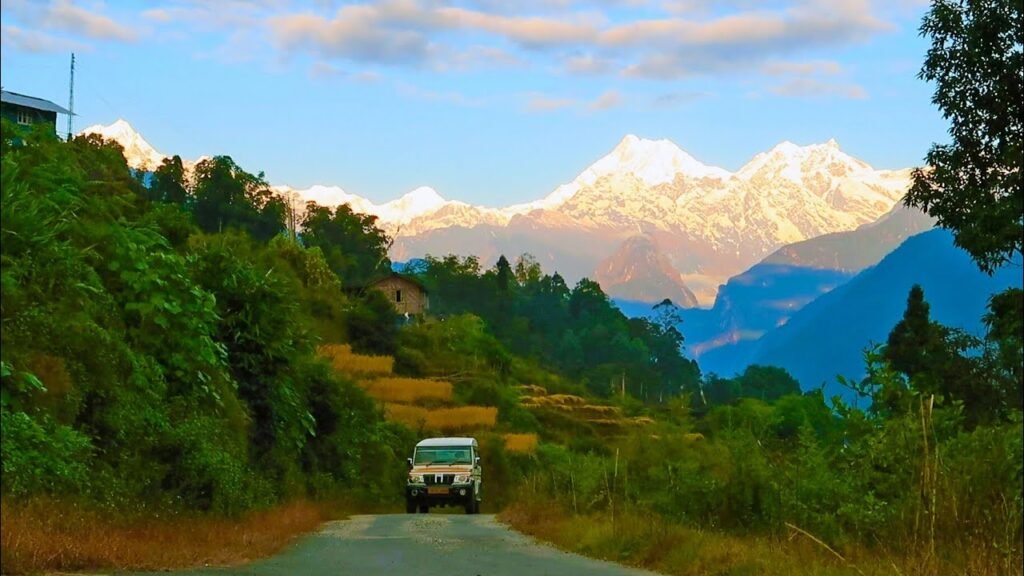
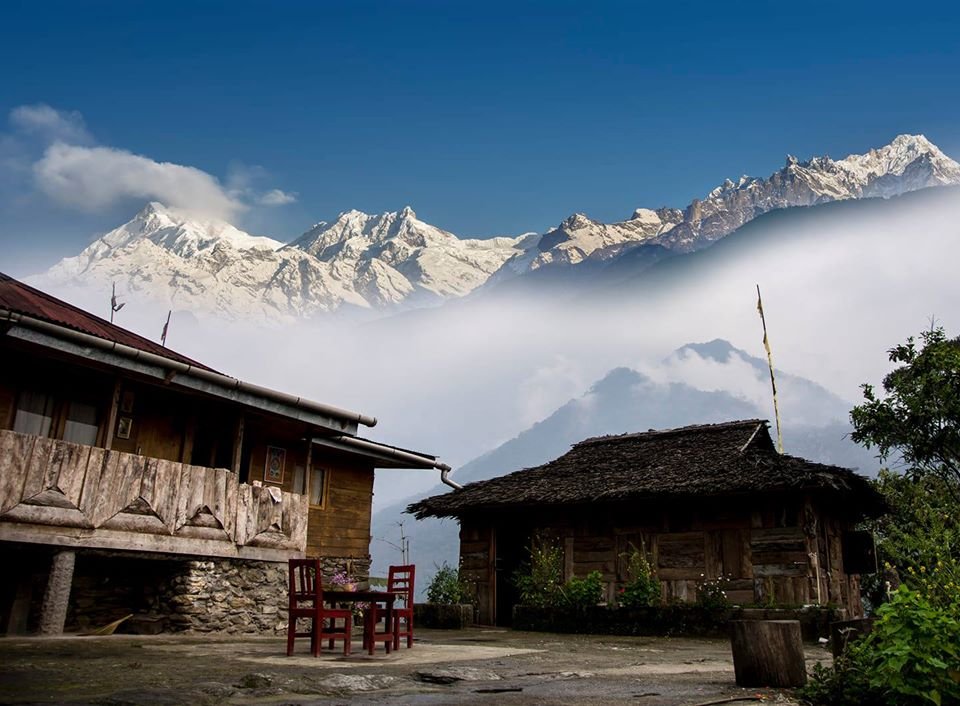
- Known for: Lingthem Monastery, panoramic Himalayan views
- Nearby: Upper Dzongu
- Best time to visit: October to May
6. Kewzing Village (South Sikkim)
Best for: Birdwatching, monastery trails, organic tea gardens
Kewzing is the community in which the Bhutia population prevails, its location is surrounded by forested landscapes, and multiple Buddhist monasteries are located. It is also a prominent place of birdwatching and spiritual experience of genuine spirituality.
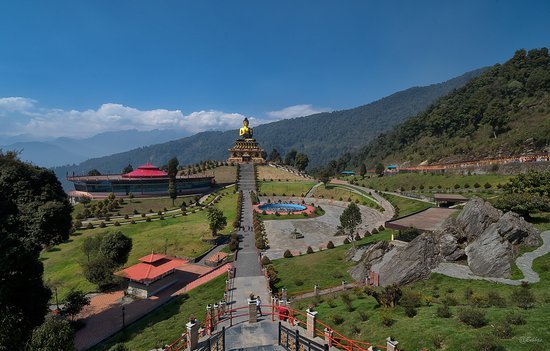
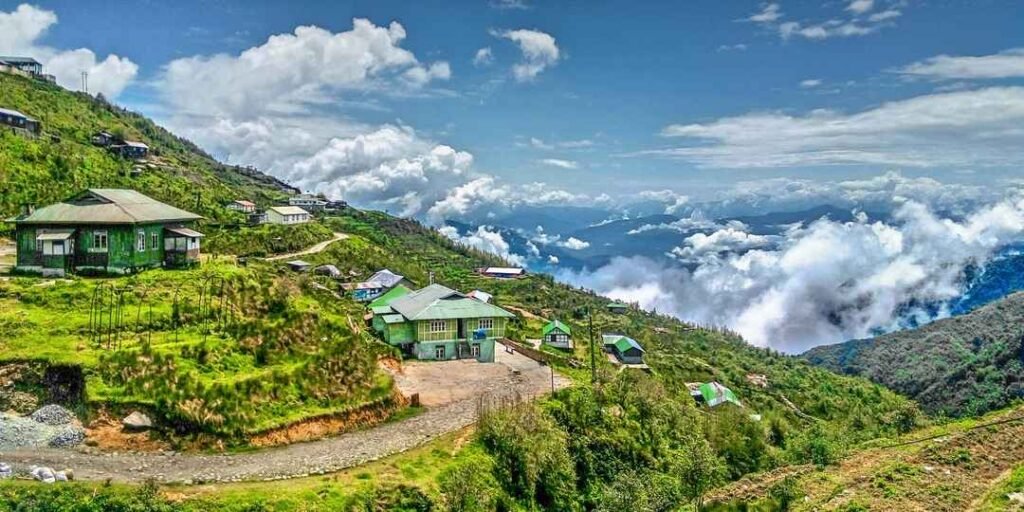
- Known for: Tareg Monastery, Kewzing Bird Sanctuary
- Nearby: Namchi, Ravangla
- Best time to visit: November to June
Local Homestays and Cultural Experiences
A visit to these villages is best complemented by staying in community-run homestays. Popular experience highlights include:
| Experience | Highlights |
|---|---|
| Village walks | Traditional farming, bamboo craft, foraging |
| Local cuisine | Millet bread, nettle soup, yak cheese, kinema |
| Cultural evenings | Folk stories, traditional Lepcha and Bhutia music |
| Tea tasting | Organic tea gardens near Kewzing and Temi |
| Hot spring baths | Natural mineral springs near Borong and Ralang |
How to Reach Hidden Villages of Sikkim
Nearest Airports: Pakyong (PYG), Bagdogra (IXB)
Nearest Major Railway Station: New Jalpaiguri (NJP)
From Gangtok or major Sikkim towns, travelers can hire private taxis or shared jeeps depending on the region.
Entry permits are required for Dzongu and parts of the Silk Route including Zuluk, which can be arranged through registered travel agents.
Best Time to Visit
| Season | Travel Notes |
|---|---|
| October – January | Clear skies, possible snowfall in high altitudes |
| February – April | Rhododendron bloom, pleasant climate |
| May – June | Ideal for trekking and village exploration |
| July – September | Lush monsoon landscapes but risk of landslides |
Frequently Asked Questions (FAQs)
1. Which is the most untouched village in Sikkim?
Dzongu is regarded as one of the most untouched areas, and it is safeguarded on behalf of the native Lepcha people and provides access to very little in terms of tourism.
2. Is a permit required to visit Dzongu or Zuluk?
Yes. Dzongu and Zuluk among other parts of the Silk Route demand a Protected Area Permit (PAP).
3. What is the best village for birdwatching in Sikkim?
Kewzing and Lungchok are reputed of various Himalayan bird species and birdwatching tour.
4. Is it safe for solo travelers?
Yes. Sikkim has been considered as one of the safest tourist destinations in India, and homestays offer a safe setting to lone tourists.
5. Which local dishes should travelers try?
The traditional foods that have been recommended are Chhurpi Soup, Phagshapa, Kinema Curry, Gundruk, Buckwheat pancakes, and Tongba (warm drink made of millet).
Conclusion
The hidden villages of Sikkim provide a unique experience to see the Himalayas outside of the usual tourism. These destinations enable the tourist to be closer to nature, the ancient cultural practices and also promote the community based sustainable tourism. To people, who want to have tranquil nature, significant human relations, and knowledge about Himalayan ecology and culture, the smaller villages of Sikkim are a precious find.

